
Ascolta questo podcast gratuitamente nell'applicazione: Scarica gratuitamente dall'App Store
radio.it
Sleep timer
Radio preferite
231 episodi
Conor Cantwell | Sticking to the “Brilliant Basics”
06/11/2026How much of the athlete data you collect changes what you do next? Conor Cantwell, Associate Director for Sports Performance at William & Mary, explains how he chooses assessments based on the physical qualities athletes need and available resources. That includes accommodating sport coaches’ testing preferences while still getting data he can use to guide training. Drawing on Irish rugby experience, he discusses the big “S,” little “c” debate about balancing strength with conditioning. He explains how heart rate data helps him decide how much conditioning athletes need and considers how to keep players fit when playing time is limited. Cantwell discusses his PhD research into how submaximal tests can track fitness during the season without an all-out effort. He also explains how to match recovery strategies to the season. Hear how to use assessments to guide your programming and help athletes understand the choices behind their training and recovery.
Contact Information & Episode Links:
Reach Conor by email: cjcantwell@wm.edu and on Instagram: @cantwellconor | Find Eric on Instagram: @ericmcmahoncscs and LinkedIn: @ericmcmahoncscs
Join the NSCA Sport Science and Performance Technology Special Interest Group (SIG) on LinkedIn to connect with peers and discuss how data and technology can inform coaching decisions.
Conor Cantwell, MS, CSCS,*D, RSCC
Conor Cantwell is the Associate Director for Sports Performance at William & Mary, overseeing strength and conditioning for women’s basketball, volleyball, and men’s and women’s tennis. He also oversees sport science support services for the Sports Performance Department. Cantwell has over six years of experience at the professional and National Collegiate Athletic Association (NCAA) Division I and III levels. He earned a Master’s degree in Sport Physiology and Performance Coaching from Carroll University, where he also led research and sport science initiatives. Cantwell is pursuing a PhD through Technological University Dublin, where his research aims to investigate heart rate monitoring in collegiate women’s basketbal
Show Notes:
" The biggest thing I say to people when we're talking about our sport science stuff is like, what key qualities do we want from our athletes, and then what's the best way to assess them? [...] You just have to kind of break down the best you can do with the resources you have." 8:05
"You know, the biggest predictor of injury or the biggest risk factor for injuries, is previous injury. So, looking at what injuries may have occurred, where they're potentially susceptible to reoccurring is important." 11:10
"The more aerobically conditioned you are in just the general level of fitness, your ability to recover between practices and games is just going to be majorly increased." 19:40
Transcript:
00;00;02;18 - 00;00;23;25
Welcome to the NSCA Coaching Podcast. Season ten, episode nine. The biggest thing I say to people when we're talking about our sport science stuff is like, what key qualities do we want from our athletes, and then what's the best way to assess them? And then when we break that down, what metrics are the best way to kind of assess that rather than what technology do we have and what tests can we do.
00;00;23;26 - 00;00;42;06
So kind of reversing kind of the components that we want. And then just looking at how we can assess them. And that's what we kind of have here. And like it is great to have more resources. But again I don't think you. Necessarily have to have them. You just have to kind of break down the best you can do with the resources you have.
00;00;42;08 - 00;01;02;27
This is the NSCA Coaching Podcast, where we talk to strength and conditioning coaches about what you really need to know, but probably didn't learn in school, their strength and conditioning. And then there's everything else. Welcome to the NSCA Coaching Podcast, where we bring you conversations with coaches and practitioners who are helping advance the profession of strength and conditioning.
00;01;02;28 - 00;01;23;20
I'm your host, Eric McMahon from the NSCA. Today I'm joined by Conor Cantwell, Associate Director of Sports Performance at William and Mary. Connor, thanks for being here. Thanks for having me. Yeah, really excited to get to know you today. For those who don't know you. Tell us a little bit about yourself and your journey into strength and conditioning.
00;01;23;22 - 00;01;52;01
Yeah. So, as you said mentioned earlier, I'm a Director of Sports Performance here at William and Mary heading into my second year here now. Prior to here, I was at a DIII university in Wisconsin, Platteville, was there for about 18 months. Prior to that, I had done a season with the Cincinnati Reds organization at their little ciliate in Daytona Beach with the Daytona Tortugas and, originally from Ireland.
00;01;52;01 - 00;02;19;02
So I came over to the US to do my graduate assistantship, under Doctor Tim Carroll University in Wisconsin. So I was there for two years and prior to that did my undergrad at the University of Limerick in Ireland, and kind of worked across a variety of sports there, including kind of various age levels, Munster Rugby all the way from their kind of under 15 or 16, all the way up to an internship with the professional team.
00;02;19;05 - 00;02;40;28
Tons of different experiences. International perspective. Obviously, I hear the accent coming through and we don't always hear that accent, so I'm glad you told me where you're from. What about that? International perspective provides context and help in the role you currently have, and just how has that helped shape your coaching philosophy? Yeah, I think it's the international experience.
00;02;40;28 - 00;03;00;14
Then a changed sports that I've worked into, just kind of true. And everything kind of has helped. Different experiences help as you go. You're just constantly growing as well. But I think internationally it's different, but it's, you know, doesn't mean it's better or worse. Like I would say, there's a lot of, a lot of Irish conditioning coaches working internationally.
00;03;00;16 - 00;03;20;04
I would say sport science in Ireland is quite strong. You know, internationally we would have had good exposure to that true education and stuff. Would it be undergrad or just, in education? And my practical experience is like, I know I would in the Irish rugby system, there's four teams, and they were some of the earlier adopters of, of GPS technology.
00;03;20;04 - 00;03;45;27
And, you know, that was probably 15, 20 years ago now. But now we look and we see how many teams are using it. And I think here has definitely caught up, if not in maybe passing out a little bit now in certain regards. But yeah, it was interesting coming in with that. I think the biggest thing that I've had that's been more unique that I was able to bring early on, was we probably just maybe it's true, the nature of our sports have more of an emphasis on conditioning.
00;03;45;29 - 00;04;03;20
You know, it's something they talk about a little bit. I think with strength and conditioning. I say sometimes coaches here, it's a little bit of a big S, small c and but I think that depends on the sport you work in. Right. So some people just aren't used to doing as much conditioning. And I came in kind of with a lot of conditioning background, which was great because it was something that kind of was unique that I was able to bring to the table early on.
00;04;03;20 - 00;04;27;22
So sport science, that's topic I want to get into a little bit later in conditioning. That's a big one. I'm glad you mentioned that. Tell us about your current role at William and Mary. What are some of the teams you have and just the work you get to do on a daily basis? Yeah, so I came in initially, just as a sports performance coach for my first year, in the department came in.
00;04;27;22 - 00;04;51;01
I have women's basketball, volleyball and both men's and women's tennis. And, you know, my responsibilities with their team, with those teams involved, you know, full physical preparation, strength and conditioning, travel, women's basketball, so on the road and do a little bit more with them. And most of that comes down to some of the, the monitoring that we, we do with them with heart rate monitoring, which I can talk about a little bit when we get into sport science stuff.
00;04;51;01 - 00;05;11;26
But, the role has kind of developed, I guess we had a bit of a kind of change in, in our department. Around December time, we had a staff member move on for a new opportunity. So it was kind of a shuffle. So I moved into the associate director role, and kind of had already started overlooking a lot of our sport science initiatives here and kind of trying to lead some projects in that regard.
00;05;11;26 - 00;05;30;03
But that's kind of taken on a new, a new level now, kind of in, in the associate role and being able to kind of drive some projects. So we have a couple of things going on now. We we run some standardized assessments over the year just to kind of see, like and collect data over the year to see if we are having changes, maybe see what trends are happening.
00;05;30;03 - 00;05;51;22
So, you know, our athletes when they leave in the spring, coming back way worse from not training. What kind of trends are we seeing over the year? Are we actually making meaningful differences rather than just looking at the metrics? So, you know, we do some statistical stuff in the background to see those. Do those, changes actually matter or is it just kind of normal biological variation?
00;05;51;25 - 00;06;27;03
And then we have some projects. sport science was going on as well around trying to integrate our sport science within, our Return to Play framework, which we're kind of trying to build out a little bit. So we're going at the DI level now, but you've been at the DIII level. What's the landscape of sport science that you're seeing and just the work you're able to do in the roles that you've had, around sport science and just the ability to integrate where we're at today in terms of technology and statistics and all the proof of concept that we're trying to get into our training approach.
00;06;27;05 - 00;06;50;05
Yeah. For sure. I obviously I've experienced, you know, like I said earlier, professional DIII, DI, two different environments to two different continents. So it's all been very different. And alongside that, as you know, more than anyone, like sport science is ever evolving to alongside that. So it's changed a lot. I would say at the DIII level, it just depended on like access to resources.
00;06;50;05 - 00;07;10;23
So like a Carol, during my graduate assistantship, we had access to a lot of equipment because, you know, kind of part of the program. And it was great to have that with the athletes. The biggest difference you're going to see, is generally in the caliber of the athlete, but not always. And I think that's the interesting thing is that sometimes you can have a really good athlete to that level to it may just be there.
00;07;10;24 - 00;07;25;09
They're not as, as good as the sport. Or they may be and they just didn't get opportunities. You know, they focus more on academics. So we saw a variety of that. But I would say when I went to school, we probably didn't have as many resources at the Division III level. And you kind of just have to be a bit more innovative.
00;07;25;12 - 00;07;42;21
But I think it brings you back to your, your core principles. You know, you don't like, rely as much and be completely dependent on the technology. And you're kind of trying to see what you can do, small stuff, whether it's maybe bringing in some subjective stuff, whether it's wellness questionnaires, stuff like that that you maybe might not use as your number one.
00;07;42;21 - 00;08;05;02
But if that's all you have, it's something where zenith, the Division I level, like we have access to a lot here. And it's great. But I think people can almost get, get trapped in that a little bit too, or it's like you've all this access and people just want to play with these training toys. And I think being at the level prior to that really helped kind of ground you in your principles of like, what do I actually need to collect?
00;08;05;03 - 00;08;21;21
Like the biggest thing I say to people when we're talking about our sport science stuff is like, what key qualities do we want from our athletes, and then what's the best way to assess them? And then when we break that down, what metrics are the best way to kind of assess that rather than what technology do we have and what tests can we do.
00;08;21;21 - 00;08;37;20
So kind of reversing kind of the components that we want. And then just looking at how we can assess them. And that's what we kind of have here. And like it is great to have more resources. But again, I don't I don't think you necessarily have to have them. You just have to kind of break down the best you can do with the resources you have.
00;08;37;22 - 00;09;05;08
Just hearing your response to that question, you sort of get into your approach towards the needs analysis and how you would integrate technology and information and really use best practices. Integrate that into training as best way you can communicate the information. And I think coaches and our listeners will resonate with that. Connor, coming in from Ireland, getting your bachelor's degree there, then getting your master's degree in the United States.
00;09;05;08 - 00;09;26;10
How do you view strength and conditioning in sport science education in different parts of the world? Yeah, I think it's ever evolving. And I think like the reason, you know, I wouldn't fully classify myself as a sports scientist. I think I'm definitely a coach first, but I like to think it's kind of something that I add a lot to my skill set that can help me be a better coach.
00;09;26;12 - 00;09;51;10
Whereas I think we've seen in the last, again, kind of even since I finished my undergrad, we'll say like 4 or 5 years, like the evolution of a lot of places. Now, having a solar sports scientist, which has expanded the bandwidth in terms of what that person can do. But, yeah, I mean, I think the biggest thing, like I said, is having those core principles and then it's making making it actionable.
00;09;51;10 - 00;10;12;15
So like, that's the thing I saw early on was like people had all this information, but they didn't really know what to do with it. You know, you have stuff like people talk about feature creep, where you're just continuously adding new metrics to people read about nothing's ever coming out, or, you know, you see a lot of it where like, people just become dependent on one person in an environment for all the sport science stuff.
00;10;12;18 - 00;10;31;27
And then that person leaves and the systems kind of crumble. So I think it's starting off very simple and just building, building up on your systems over time. But making sure you're doing it. That's right. For kind of the tech context that you're in and your environment because it's a system is too complicated. And then that person leaves or people don't understand it.
00;10;31;27 - 00;11;03;27
It's just not going to work. Let's dig a little deeper. I know you come from a rugby background. You're working with a number of different sports now. When you first began working with a new team or a new athlete, what are your priorities and processes and the things that you want to establish early? Yeah. I guess the first thing is, you know, when everyone comes in in college athletics get they get their medical clearances and it's always good to just sit down with the Atletic trainers and, and talk about that and just see any significant injury history.
00;11;03;29 - 00;11;25;13
I think that before you start looking at anything, I just think it's important to take note of that. You know, the the biggest predictor of injury or the biggest risk factor for injuries, previous injury. So looking at kind of what injuries may have occurred where they're potentially susceptible to, to reoccurring is important. And then we kind of have like our standardized testing that we'll do for for more sports.
00;11;25;13 - 00;11;45;25
So some specific tests for certain sports, but generally speaking, you know, we'll do our four split jumps, so we'll do a kind of movement jump initially. We'll do that pretty frequently. But we'll we'll get that baseline when they come in. We'll usually do a squat jump to. So we can kind of analyze how efficient they are neuromuscular.
00;11;45;28 - 00;12;06;20
And we'll test that probably like every eight weeks or so as well to compare. But then alongside that we'll do some other kind of testing that we don't do as frequently. So right now we're kind of rolling out, maybe once a semester doing a drop jump and stuff like that, and we'll get some information from that, which is great, to kind of get an idea of their initial profile.
00;12;06;22 - 00;12;36;25
But it's also kind of trying to think of if an injury was to occur, some information that we would like to have or healthy looks like. But having said that, if something comes up that's kind of like potentially a risk factor for injury, we can intervene before an injury may ever occur. So stuff like a drop jump, we're kind of we do some teams do an aura board, but we've kind of gone with some teams to a single leg, ISO hamstring test with the, the bridge hamstring test.
00;12;36;27 - 00;12;52;25
So we've done that with some teams and then with a force frame to we'll do some like shoulder I or internal rotation external rotation. And that just depends on the sport. But a lot of my sports kind of have a bit of an overhead component. So we will we will test that as well. And again that's probably like once a semester.
00;12;52;25 - 00;13;10;20
So and it can identify kind of some risk factors. But some of it could even just be some some strengths and weaknesses. And just seeing kind of what lead the program. And then kind of lastly to come back on the conditioning piece, I guess depending on the sport, like we will do some form of conditioning test. And that varies.
00;13;10;20 - 00;13;30;13
And I know it's a kind of a point of contention within the industry sometimes, but so like we're basketball, we run the mile. It's not the, the the best test, but it's a test that the coach kind of wanted to implement. That had been done for a bit. So we do it, you know, we get some information off of it and we can we can still calculate stuff like, maximum aerobic speed from that.
00;13;30;13 - 00;13;57;18
And we use that for a prescription then. So yeah, big S little C, I like the conditioning talk. And I think we can get down the rabbit hole of sports specific conditioning. This is this is a highly debated topic within the field. I come from a baseball background. Think about sports specific training for that versus maybe what's the most efficient way to condition yourself for sport?
00;13;57;21 - 00;14;23;12
How do you navigate those conversations when maybe you have a coach that is proposing, hey, can we do this test? And you know, it's not ideal from a sports specific context, but or on the other side, you want to be more efficient in in your methods and try to implement something that, hey, this is a best practice that we're going to put in place because we have a lot of information here.
00;14;23;12 - 00;14;47;10
How do you navigate those types of thoughts and conversations? Yeah, I think it comes back to your context first. So like for me, I think with the conditioning test, you know, I would have preferred maybe something like a Yo-Yo, to be completely transparent. But when I sat down and talked with the coach, it was it was a very kind of it was easier to understand where she was coming from and when she kind of explained it.
00;14;47;10 - 00;15;04;02
So, so like, the biggest thing I hate with a conditioning test is when there's no, there's no measurement from it. So, like, you have certain tests out there that are used, you know, know one that soccer uses a lot of, like the menu test and there's no metric that comes from it. It's like a hard conditioning test and you pass or you fail.
00;15;04;02 - 00;15;28;11
But we can't measure any progress. You just kind of it's a survival test, right? And I don't think there's much benefit in those. I guess the criticism that they would have had in the, in the environment where they say it's context dependent, if they would have felt with the Yo-Yo that we were never getting accurate data, because if we set a standard of like, we wanted certain people to get to a certain center to, you know, to be asked for their conditioning.
00;15;28;13 - 00;15;42;13
People would just drop straight out at that level. So we never actually saw, like, what level they were at. Or you could just, like, theoretically, you know, if you were not as motivated, maybe not try as hard on it and then you just drop out and you kind of don't have to do as much as the person beside you.
00;15;42;20 - 00;16;02;00
Whereas they felt something like the mile, like you have to finish it so you can go back and forth on that a little bit. But I guess where I kind of came to a compromise on it was, well, at least it's measurable. And at least I can still calculate something like maximum speed from it for my prescription, which I can then use to train.
00;16;02;02 - 00;16;27;11
I guess we're we're lucky with basketball. There's a lot of what I'm talking about here is that we have reminders for everything we do, and all practices, all conditioning. And, and the coaches are very bought into that. And we've established system that was kind of here before I got here. And it's kind of been built on a little bit from that, from some of the work repeaters did, who was my predecessor before I got here, and I kind of expounded on that a little bit.
00;16;27;11 - 00;16;48;19
But from that information, we can kind of get a lot of like what practice looks like, what conditioning looks like, and be very targeted in the the dose of conditioning were given as such. And then over time we can kind of measure measure the response in terms of just internal training load, in terms of what we did a month ago compared to what we're doing now.
00;16;48;21 - 00;17;16;12
And again, we might get into it a little bit, but I've actually started a PhD in February, which is going to start looking at some maximal fitness testing. So we might still do the mile as our just general fitness test that coaches love to do. But I think a thing with so maximal fitness testing is it's something that's low, fatiguing and can be utilized throughout the year because I think a lot of things that happen with Fitness Test is, we see it in a lot of sports is, you know, you do 2 or 3 of them a year.
00;17;16;12 - 00;17;38;29
You probably do those three tests over a very condensed, maybe eight week period all across preseason, and then we don't touch it again until either mid off season or at the earliest or the next preseason, where. So maximal testing could probably be carried out as much as weekly if you really wanted to. And then when a coach comes and asks, like, you know, are we are we in shape?
00;17;39;00 - 00;18;01;02
We can say like based on the data, physiologically, yes, we are or we're not. And and I think a big thing with that is, is potentially looking at our starters a nonstarter and making sure that if we are topping up conditioning, always our nonstarter is that, that we're giving them enough that they're not losing fitness because if someone gets hurt, it's it's kind of that that next person up mentality.
00;18;01;02 - 00;18;25;13
So, they got to be ready because if they're not ready. Well, then they'll get hurt too. So it's that vicious cycle, right? For sure. And this is a this is an important conversation because I think there's when you look at it physiologically in the US especially, there's a huge emphasis on anaerobic natured sports. But a test like the mile, an aerobics fitness test.
00;18;25;13 - 00;18;53;21
And I want to dig into your rugby background because my perception of rugby we got we got a lot of big bodies, strong, resilient bodies. But you're running and you're moving and there is an Arabic fitness component to the sport of rugby. But also the size probably lends more towards the anaerobic fitness. How important is it in this anaerobic sport world that we consider aerobic fitness as strength and conditioning coaches?
00;18;53;23 - 00;19;16;23
It's hugely important. Yeah, I think it's it's something that, you know, me and our director here, ready to talk about all the time. He's a, he's a big, a big advocate of aerobic of training and kind of feels, as you alluded to, that a lot of coaches just have neglected it over the years, or I think a lot of it too, is coaches are uncomfortable in that, in that space.
00;19;16;23 - 00;19;47;16
And they don't want to to do it and they perceive it potentially as like it just has to be long and slow and boring or that's not necessarily the case. But the selling point I've had for has been like, I've done it with volleyball this year in their off season, which a lot of people wouldn't, wouldn't do or wouldn't think of doing, but even some of recovery point of view, you know, the more aerobically conditioned you are in just the general level of fitness, your ability to recover between practices and games is just going to be majorly increased.
00;19;47;16 - 00;20;08;11
So that was my big sell to the girls in the volleyball this year was you guys play Friday, Saturday every single weekend, the entire fall. And in you might play two on a Friday and maybe one on a Saturday. Like it's a lot, right. So, to help with that in some regard, having that Arabic conditioning, is going to help you.
00;20;08;11 - 00;20;26;05
And then obviously on top of that, you know, we think of our energy system development, having that aerobic base is going to increase your ceiling of any of your your anaerobic outputs that you can, you can have. So, yeah, we do, we do a lot of it. And we, we, we kind of we sell it, you know what I mean?
00;20;26;05 - 00;20;40;27
Because I think a lot of people aren't used to doing it, and it's very different. But, we sell why it's important that it's number one, it's going to help with your recovery. But two, just general fitness, it's going to increase your ceiling of what your other, your other energy systems are capable of. I like that perspective.
00;20;40;27 - 00;21;05;22
And it comes through, you know, recovery is always an Arabic process. And so we can essentially train for recovery in all of our athletes. Even on the anaerobic side. How important is recovery? I know that's a big topic as well in working with your athletes and teams. And how intentional are you in putting recovery modalities and other things into your training?
00;21;05;24 - 00;21;26;00
Huge, yeah. Like I mentioned, you know, volleyball, it's Friday, Saturday. And then once we get into conference with with basketball, it's it's Friday Sunday on the women's side. So you got that day in between. You know, the nature of, of of scheduling. Everyone does their best, but we end up having a lot of split weekends, too.
00;21;26;00 - 00;21;39;24
Or, you know, we might be away on a Friday night. We could be four hours away. You got to travel back on the bus on a Friday night, get back into 2 a.m., and then you're playing at 1 p.m. on a Sunday or vice versa. You know, you're home on a Friday night, and then you have to get on the bus on a Saturday, travel for hours and play on Sunday.
00;21;39;24 - 00;22;00;04
So those turnarounds can be difficult. But a lot of the recovery is, is, is education in terms of we talk about it a lot. So we kind of we've stolen this from from some other people that have done it. But I gave a presentation every year to, to both teams, both those teams men's women's basketball and volleyball.
00;22;00;07 - 00;22;22;14
About the other 22 hours. So, you know, we spend about two hours a day practicing training, whatever it might be. But what are you doing when you're outside of the facility? And that comes down to your core pillars of, you know, your nutrition, your sleep there. You can't really outdo them. Right? Like you got to refuel your body after you've exerted it and you've got to to pre fuel before you, you're going to exert again.
00;22;22;17 - 00;22;42;12
And sleep is going to be your number one thing of recovery. You know if people ask about recovery mortalities and all that stuff, which is great. The first thing we'll always come back to is how is your sleep? How is your nutrition and hydration that obviously goes with that. And if they're not nailed on, I just think you're wasting your time with the other, you got to nail them on first.
00;22;42;15 - 00;23;00;19
We call it brilliant basics. So if you're good at them and if that's all you're good at. You just keep getting better and better at them. I think I'll take you a long way. But after that, then we kind of have a broken down into, into different sections. So, like, right after the game, we have our, our react.
00;23;00;20 - 00;23;21;17
You know, you're reacting initially like, how can we start getting fuel on board straight away. Our next one after that is, is restore, and we're trying to kind of restore different qualities. And if it's a Friday night game that might feed into kind of what they do when they get up on a Saturday morning. And then we're kind of trying to.
00;23;21;19 - 00;23;52;02
Trying to get ready for the game that afternoon with practice and kind of get moving again. And then the next one is refine, which is the day of the game. It's like, all right, now we're preparing to go again. So we talk about that and we have different modalities kind of placed within them. And the biggest thing I talk to them about as well is like in the off season, potentially not being as reliant on these so that we actually allow some of these adaptations to occur in your body to naturally recover as much as you possibly can.
00;23;52;09 - 00;24;08;10
And then when you do need a shorter turnaround recovery that you used them in season. So like a lot of the research and the kind of controversy around ice bats, like ice bats appear to work, you know, we've seen some of the research on that. But then there's the the kind of the pushback on. Do they blunt certain responses?
00;24;08;10 - 00;24;23;15
Well, if we're playing Friday night and we're playing again Sunday, we're just going to take that here. Right? We don't we don't. We just want to recover and be able to go again. But if we're in the off season and you know, the the girls kind of, laugh at me when I say this, but like, what do you need to recover for, per se?
00;24;23;16 - 00;24;53;15
We're going through a hard training block. Allow your body to kind of recover itself at certain times of the year, if that makes sense. So I like that. Basing your recovery approach on the time of the year. Yeah. Keying in and educating so that it's not just what your thoughts are. You're educating them so that they can understand the perspective that, hey, ice bath aren't the aren't the best thing, aren't the worst thing, but we can use them tactfully to get the response we want out of our program.
00;24;53;17 - 00;25;15;29
And just on that as well. Sorry. Ask Chris, but the last thing I would say on that is some of it is preference too. Because again, anyone that's ever kind of dug into the the literature on recovery, like some of the evidence on some of the most out of these is a little iffy. But I will say when it comes down to like recovering in a short period of time, some of it is very much placebo.
00;25;15;29 - 00;25;36;11
But if you feel better, it works. You know, and we definitely sell a little bit of that, depending on what it is, as long as it's not something crazy, that could be detrimental, but it really is, you know? Yeah, there's some people have different habits that work for them. But if even if some of it I think is just mental, they have a routine, they go through it, and they feel better after it.
00;25;36;11 - 00;25;58;08
Great. That's that's your recovery. And we'll go with that. Yeah. That can be really challenging for us. We try to be so evidence based and figure out why things are working or why things are helping the athlete perform or recover. We may not always have those answers. We have to give in to our athletes at times to be like, hey, you know yourself really well.
00;25;58;10 - 00;26;17;28
I want you to be at your best. Let me show you that I can give you that that leeway to navigate your performance and and perform at your best. So I really like that approach. I love the wisdom you're sharing. Obviously you dig deep and you continue to grow. Coming off your master's degree, you've had a few different jobs in the field.
00;26;18;02 - 00;26;42;08
How do you continue to grow as a coach? What are some of the resources and habits you have to stay sharp in the field? Yeah. I think it's it's trying to and it's very easy to become isolated when you're in an environment like you have the coaches around you. But again, you're somewhat siloed in that in terms of after you've seen kind of their system or their programing, you just become very used to it.
00;26;42;08 - 00;26;58;13
And if you only ever see that, I think, it's hard to grow beyond that. So I think it you have to make a conscious effort to reach out to other coaches, to engage with other coaches, and I try and do that as much as possible, and just see other ways of doing it, doing things. What are people are doing?
00;26;58;13 - 00;27;19;23
What are people are trying? It doesn't necessarily matter if you agree or disagree. You know, it's just seeing it. And I think even going through that in your own head of like critically assessing like what are people are doing and, how that might work in your environment or how it might not. Because I think by doing that it just keeps keeps you sharp.
00;27;19;25 - 00;27;50;07
So that's I guess one thing is just engaging with other coaches and, and you, you expand your network from that too. But the other thing I think I've always kind of tried to do and continue to do is, is to just read as much as as possible, on, you know, what our new topics or, rereading all old stuff again, I think, you know, some of the older people in this field will tell you that, some of the stuff that's new and exciting now was it was around 20 or 30 years ago, and it's just coming back into fashion.
00;27;50;07 - 00;28;18;11
And, I know a lot of coaches mentioned that about isometric now are big and they're great. But I think they were probably big a long time before, before now. So, but we forget that. Right? So it's going back. And what I like to do with a lot of it is like find the origin of it, because I think sometimes we do lose some of the origin of, of some of the stuff that we do, and just critically assess, like some of the stuff that we believe, nor the limitations.
00;28;18;13 - 00;28;35;09
But doesn't mean you can't implement it, but just know what it does and what it doesn't do. That goes, I think, for anything we do from a training point of view that goes for any metrics we use sport science wise. Anything like that. It's just being being aware of it's, it's it's, strengths, weaknesses, any potential limitations.
00;28;35;11 - 00;28;55;19
But yeah. So I guess where that's like empirical evidence or reading research papers, which are great. Or reading like, you know, maybe more informal, kind of like coaching blogs and stuff like that. And the great thing about now is it just feels like there's there's just endless information. So anything you want to read about, you could just go find it.
00;28;55;22 - 00;29;17;19
Which is great. Yeah. Great advice for young coaches there or people getting started in their career to keep learning, keep digging into the research. You make a great point that a lot of things in our field recirculate and come back to life. They might have a different name. I know some coaches, and I love when they say, hey, tell me what it is, and I'll tell you what we used to call it.
00;29;17;22 - 00;29;38;02
They that's always a funny quote that comes up at conferences quite a bit, but there's some truth to that. There's a lot of concepts that were put in practice in the 70s, in the 80s, years ago that we bring back maybe with new technology or presented in a slightly different way, but we can get that original context and go back on that.
00;29;38;02 - 00;30;01;13
And if we learn that we're better for it today and how we're implementing and maybe just have a little bit more of a well-rounded knowledge of the technology or concepts that we're delivering. So I, I really like that perspective. You come in with an international perspective, you've experienced both sides and you've worked and had a few different jobs in the field.
00;30;01;16 - 00;30;37;05
What excites you the most about the future of the strength and conditioning profession as you are looking ahead? Yeah, I think as someone that's probably, you know, more biased towards the the sport science editing. Like I said, I definitely see myself as a coach first, but I, I have that kind of that background in sport science. I just think the the more sport science technology is becoming available, like you look again, I keep referencing kind of ten, 15 years ago, like when I was first getting familiar with the field, what it looked like compared to now, you know, for splits were not as widely accessible as they are now.
00;30;37;05 - 00;30;58;21
A lot of the force plates that most people were were looking at were lab based. You know, they would go in and do it periodically, or we were using jump mats and jump mats at the time for some people were were great. And look at how much that's moved on. So I think that's going to be exciting for the, the future in terms of how more, how much more widely that's going to be available to people.
00;30;58;24 - 00;31;19;17
And, you know, people getting more education in that I think we can be, more critical in terms of our, our programing and if our programing is working, you know, you know, Mike, Mike Stone, doctor Mike Stone always talks about like, if we're not assessing, we're guessing a little bit. So just having being rooted in, in some, some kind of testing every now and again.
00;31;19;17 - 00;31;36;29
And that being more widely accessible is, is going to be great as that happens. And I think we're seeing it all the time now with AI, you know, I don't know where it's going to go, but like it's here and I don't think it's going away. So I think we need to utilize it, to help us be more efficient.
00;31;37;00 - 00;32;12;10
And I think, again, I don't think it's ever going to take take away from us that human element of thinking. Coaching is huge, but it definitely could make us more efficient and increase our bandwidth and what we can do. So whether that's taking us away from the laptop a little bit more, which I think we'd all be grateful for in terms of not spending 2 or 3 hours working on dashboards where maybe AI can do that work for us now, and we can spend more time working on maybe communicating that information to our coaches or to our athletes, you know, or working on maybe evaluating deeper questions within our data rather than working
00;32;12;10 - 00;32;35;02
on, like just pulling it together. So all of that, I think is exciting for the future. But yeah, the expansion of kind of technology and how we can just really, utilize it. Yeah, I like it pouring into the new, keeping an open mind and trying to expand the services that we're offering, our teams, our athletes, our universities, our organizations.
00;32;35;04 - 00;32;59;02
A lot of wisdom in that for everybody at every career stage, I know our listeners are going to want to continue this conversation. What's the best way for them to reach out and connect with you? Yeah. They can get me on Instagram. You know, pretty active on Instagram. I don't I don't post a ton. I put up a little bit of content, every now and again, some of our kind of lifts with different teams or some of our conditioning stuff that we do.
00;32;59;05 - 00;33;22;22
So name on Instagram is just Cantwell. Connor. And then you can, you can email me either, my work emails to CJCantwell@W&M.edu. Awesome. I'll add those to the show notes. Thanks, Connor. Thanks, everyone. Listening to the NSCA Coaching podcast. If you enjoyed today's episode, be sure to subscribe and share it with a colleague.
00;33;22;29 - 00;33;36;27
For more resources, education, and professional development opportunities, visit NSCA.com. Thanks for listening and thank you to Sorinex Exercise Equipment. We appreciate their support.
00;33;37;00 - 00;33;55;23
This was the coaching podcast. The National Strength and Conditioning Association was founded in 1978 by strength and conditioning coaches to share information, resources and help advance the profession. Serving coaches for over 40 years. The NSCA is the trusted source for strengthening judiciary professionals. Be sure to join us next time.Thomas Myslinski III | Highlighting the Return to Play Strength and Conditioning Coach
09/10/2026How can lessons from professional football help you prepare injured athletes to return to competition? Thomas Myslinski III is the Reconditioning and Return to Football Coach for the New York Jets in the National Football League (NFL). A third-generation strength and conditioning coach, Myslinski recalls the joy of tagging along at NFL training camps with his father, who encouraged him to learn beyond one specialty. He discusses workload management and how sport science helps him understand each player’s progress. Myslinski reverse engineers each player’s programming from sport demands and adjusts it to their current capacity. He describes himself and his sports medicine counterpart as “partners in everything” and explains how he keeps fellow strength and conditioning coaches informed. Looking ahead, he considers how strength coaches can match technology to training goals and plan recovery as deliberately as training. Hear what you need to know about a returning player, and what information your colleagues need you to share.
Contact Information & Episode Links:
Reach Thomas by email: myslinskitj@gmail.com and on Instagram: @thomas_myslinski45 | Find Eric on Instagram: @ericmcmahoncscs and LinkedIn: @ericmcmahoncscs
Join the NSCA Football Special Interest Group (SIG) on LinkedIn to connect with other coaches and stay current on football strength and conditioning best practices.
Thomas Myslinski III, MS, CSCS, RSCC
Thomas Myslinski III is the Reconditioning and Return to Football Coach with the New York Jets in the National Football League (NFL). Prior to joining the Jets, he gained experience across collegiate and professional sports, building expertise in strength and conditioning, speed development, and return-to-play strategies. Myslinski earned his Master’s degree from East Tennessee State University. Passionate about athlete development, he combines scientific principles with practical coaching experience to enhance performance, reduce injury risk, and prepare athletes to excel at the highest level of competition.
Show Notes:
"The first one to be is multifactorial. You know, be a Swiss army knife. [...] go learn from all the different people. That's what he instilled in me. I think that throughout my journey, it's been great to have my own mentors and then take pieces of what they've taught me and then kind of make it into the mix that we have." 5:25
"We can't guess. We have to know what's going on with them. [...] If I have a cohort of six or whatever it may be, I better know those six guys inside and out, and I better have a really good understanding of what's going on, at what time frames, having a good understanding of what they were pre-injury where are they at post injury or whatever it may be, but I have to fall back on, a lot of those learnings from [ETSU]..." 11:35
"You have to make sure everybody's on, aware of everything going on. And especially in RTP... Anything can change at a drop of a dime. So as soon as something happens it is okay. Let's communicate via whatever channel, whatever way that we do, let's make sure everybody's aware of what's going on." 15:37
Transcript:
00;00;00;00 - 00;00;23;01
Welcome to the NSCA Coaching Podcast season ten, episode eight. But the first one to be is multifactorial. You know, this Swiss army knife, like go learn. I remember when he was, in the field and he would bring in, you know, mentors of his, like, Charlie Francis, or he would be with buddy, and they'd go out to West Side and learn from Louis.
00;00;23;01 - 00;00;40;12
And not saying you take all those things for gospel, but you got to learn from all the different people. And that's what he instilled in me. So I think that throughout my journey, it's been great to have my own mentors and then take pieces of what they've taught me and then kind of make it into the mix that we have.
00;00;40;14 - 00;01;04;06
This is the next coaching podcast where we talk to strength and conditioning coaches about what you really need to know, but probably didn't learn in school, their strength and conditioning. And then there's everything else. This is the NSCA Coaching Podcast. I'm Eric McMahon from the NSCA. And today we have another big episode from the NFL. In football, we typically think of players who are making an impact on the field every Sunday.
00;01;04;08 - 00;01;24;05
But what about the players coming back from injury? We have a guest with us today, Thomas, Myslinski, who works in that space as a reconditioning and return to football strength and conditioning coach. Hey, thanks for being with us. Hey, thanks for having me online. Awesome, man. All was great connecting with you at the NFL meetings. I know your dad really well.
00;01;24;05 - 00;01;46;24
And before I go any further, I want to just mention you are Thomas. Myslinski, the third. Your dad played in the NFL. He's a successful strength and conditioning coach also. And you are a third generation strength and conditioning coach. I am yep. I don't hear that very much. Third generation. That's really awesome. You got to really grow up in this profession.
00;01;46;27 - 00;02;01;21
Yeah I did I miss my father's probably best judgment to me a lot of the times to telling me, are you sure you don't want to get in anything else? And I'm like, the whole time growing up around him, it was the only thing I've ever wanted to do, so that's great. I love it. Awesome, awesome. What was it about those experiences?
00;02;01;21 - 00;02;31;13
I know you had a lot of early NFL experiences with your dad playing. He made the transition into coaching. What was it like growing up around football and the strength the conditioning field? Yeah, well, the first is it was incredible. I mean, and that's just like kind of a word to summarize everything. I mean, from as young as I can remember when I was, the first time I remember him playing was with the Pittsburgh Steelers and the Indianapolis Colts and just kind of like snippets and just little bits.
00;02;31;13 - 00;02;52;28
So that's kind of like my first, you know, my first interaction with him is seeing him out there, seeing him as a player. And then I got to watch him go through his evolution of when he became a coach. And I got to see the change that occurred there. And, and throughout that, I got to see his coaching life cycle where he started out, you know, as an assistant, worked a head guy, and he learned a lot of things throughout the way.
00;02;52;28 - 00;03;07;28
And, him and my dad always were my dad and I would always used to say that I was the gum on his shoe, because there'd be a lot of times where, all right, hey, we got a training camp going on. All right, well, let's go pack a bag. Let's go. And I just go in there, and I would be the unofficial ballboy.
00;03;08;00 - 00;03;25;29
We were in Cleveland at the time. I remember catching punts for Dave Zastudil and Phil Dawson and running around the equipment room and grabbing guys dirty laundry, like, just soaking everything in and doing everything I possibly can and just being there with him. And then, of course, you know, he he trained me and we got to, to dive into that.
00;03;25;29 - 00;03;46;01
So, I mean, that's like the earliest time where I got to really learn is just being around him. His unofficial intern, cleaning up the weight room, doing daily activities with him. I mean, everything was just incredible. And then not only that, too, but I got to see a lot of the other, the football X's and O's of it too, because I would be outside during practices and I would get to watch.
00;03;46;01 - 00;04;11;25
And as a former linebacker myself, I would go hang around the different groups and I would just try to learn ball. And it was great. I just got to learn through, as you say, just learn through osmosis. Sometimes I didn't even learn to understand what I was learning at the time, and it wasn't until later I kind of was able to piece together a lot of those things that, you know, from my childhood, you're speaking a little to your path into the field as well.
00;04;11;27 - 00;04;35;23
Through being an athlete, like a lot of us, we discover strength conditioning through our athletic experience. But you had that unique advantage. You had access to high level sport at a young age. And, and your dad was going through this progression himself. What advice did he give you and others give you that helped you navigate your path when you were starting to make career decisions?
00;04;35;26 - 00;04;59;21
Yeah, it's a good question. I think, a couple things stand out to me. The first is, to be a Swiss Army knife. Don't don't dive into one thing. He, he he actually wouldn't let me, get into the field unless my undergrad was in something else other than S&C. So my undergrad was in nutrition and dietetics, so I could kind of understand that that aspect in that role a little bit and which in turn is definitely helped me in the reconditioning and just general lesson.
00;04;59;22 - 00;05;16;28
Seaside. And then from there I went on to, learn a little bit of sport science, but you have to his point was that you can't just be a one trick wonder. You have to understand a lot of different things. And so I was very understanding of that. And, he always taught me to, to learn the sport of whatever sport it was.
00;05;17;00 - 00;05;32;27
So a lot of those and then his big one that he I still carry to this day was, is, no matter what I do don't program scared the resilient their athletes don't program scared. Trust in your principles that you've been taught. And, but the first one to be is multifactorial. You know, be a Swiss army knife.
00;05;32;27 - 00;05;48;13
Like go learn. I remember when he was, in the field and he would bring in, you know, mentors of his, like Charlie Francis, or he would be with buddy, and they'd go out to West Side and learn from Louis. And not saying you take all those things for gospel, but you go learn from all the different people.
00;05;48;13 - 00;06;10;06
And that's what he instilled in me. So I think that throughout my journey, it's been great to have my own mentors and then take pieces of what they've taught me and then kind of make it into the mix that we have. So we're starting to talk about an emerging role in the strength and conditioning profession. That and you have that role with the Jets reconditioning and return to play coach.
00;06;10;08 - 00;06;27;03
What is your typical day or week look like during the NFL season and even the offseason? Sure. So let's talk right now. Offseason that's we're in dead period two right now. So really we can't really do too much with these guys. These guys were on my dad used to always call them the black holes because you don't know what they're doing.
00;06;27;03 - 00;06;53;19
So you got this time gap where they're away on vacation. Some guys are trained, and, you would always call it the rule. So you got a third guys come back, fit a third probably, or a third. You don't really know. But anyways, from a FTP standpoint specifically, anybody who's still going under any process or needs anything clearing up or anything that may be like that, the medical staff wants to keep them here or whatever.
00;06;53;25 - 00;07;16;07
We work with them, we're allowed to work with them. So that's great that we have that ability. And that's most of the offseason. The dead period wanted to in-season, in-season gets honestly, that's like the most fun because that's, you have to learn and we have to fit our own kind of week planning with these guys or their own, week schedule into what the team is doing.
00;07;16;09 - 00;07;38;07
And we have to kind of fit into their scheme and their periodization. Kind of everything flows. So it's it's this unique blend of kind of what's going on with the team at that point in time and kind of working backwards and slotting them in where it's appropriate and kind of just bringing them along so that when they reenter, it's it's it's the same the rehab strength, the conditioning coach role being.
00;07;38;07 - 00;08;01;00
In addition, if you look back, it was typically you had the sports medicine staff and then you had the performance or strength and conditioning staff. Why do you see the rehab and see role as an important one, and how much interaction do you have with the medical side on a daily basis? Absolutely. So I think that it is it is a role of utmost importance.
00;08;01;00 - 00;08;18;20
And the reason why is, I think and I reflect back to I remember my father used to tell me this, and I remember watching him do this when he was a head strength coach. It's so hard to your attention, so pulled in different directions. I mean, even right now with our head strength coach Corey Smith, he has to worry about the whole team as, he's got to worry about training the whole team along with the other strength coaches.
00;08;18;23 - 00;08;44;07
I'm not saying he doesn't have the time. He definitely always we can always make things work, but it's easier to have somebody solely focused on that small cohort of guys that are maybe going through something where all my attention and all my focus is surrounded by, let's say, six people or whatever it may be at a time. So they get a lot more one on one attention, and they got somebody who's also a strength coach, knows what the whole team's doing and can integrate them right back into the system.
00;08;44;09 - 00;09;13;25
And in a matter of that is consistent with Corey, our head strength coach, and Eric, former director of, performance. So I think that that level of detail is needed. And I think that that's what you kind of that's why you're seeing that happen more and more. As to the, amount of time that I spend with the trainers all the time, if, if, if S&C is who I talk to the most ATCs who I talk to probably on par, maybe sometimes, if not more.
00;09;13;28 - 00;09;31;19
My counterpart, is, Greg. He works over in, ATC. He's a PT/ATC. And him and I joined a lot of rehabs. So he handles a lot more of the acute stuff, and. Right, I'll handle a little bit more of the later stage as an S&C coach. So. But we are always partners and everything.
00;09;31;19 - 00;09;54;19
So every time we talk, every time it is, it's it's it's us talking. It's me going over there and learning how things work. And but that's kind of how it works. You mentioned the integration of the player back into the team scenario which an injury happens. They're they're on the sideline and you're building them back into practice eventually the game.
00;09;54;19 - 00;10;14;11
How important is workload management I know that's a big buzzword a big topic within the field right now. Do you, do you use workload management with your return to play processes? Yeah I do, I don't like talk too much like specifically until like how we do that, but just generally speaking, we have to prepare them for what they're going to experience when they reenter.
00;10;14;11 - 00;10;38;17
So as long as we are looking at what the team or looking at their historic data, if, let's say if it's in season or off season or they're reentering back into whatever time period that is, as long as that we have, you know, generally exceeded, you know, where they have been in the past. You know, that's how we would always want to make sure that they're entering at, the most opportune time for them from like a health standpoint.
00;10;38;17 - 00;11;02;27
We're not going to, you know, you don't want to put them at risk. But there's always a balance. There's a lot of things going on that would be a whole different conversation and a whole different topic about when people can enter, when people can things of that nature. But we always want to look back at what the team is doing, what they're doing individually, and we want to make sure that they're prepared, whether whatever metric we're looking at that, that they're prepared to handle that.
00;11;02;29 - 00;11;31;24
I saw you have your master's degree from ETSU. That's a program very renowned for sport science, technology, data, sport science. How do those integrate into the reconditioning side? Oh, it's incredibly much so. I love, our, our director of sport sciences, Alex Carnell. And, him and I always talk, and we love to go back and forth about a lot of different, monitoring and force played stuff and metrics, whatever it may be.
00;11;31;24 - 00;12;04;01
But if we we have, we can't guess. We have to know what's going on with them. So we have to be able to provide people with good information. We have to know exactly what's going on, especially me. If I have a cohort of six or whatever it may be, I better know those six guys inside and out, and I better have a really good understanding of what's going on, at what time frames, having a good understanding of what they were pre-injury where are they at post injury or whatever it may be, but I have to fall back on, you know, a lot of those learnings from Doc and Meg and Brad, we were down
00;12;04;01 - 00;12;33;09
there at ETSU and they did. And the good thing with them is, is that when they taught us all that stuff, it's it's they taught us principles and then they let us go off from there. And then we can use new pieces of technology but fall back on whatever they told us. So everything can follow into into where it needs to, whether it's right you got injured, board, force plates, GPS, whatever it may be, any internal that you may carry, but you have to.
00;12;33;10 - 00;12;59;16
We have to have a good surrounding. We have to have a good corpus of data to, like, make a paint a picture. So it just all comes back to working with Alex and making sure that or in the training staff excuse me, and making sure that what we have is, is, is great. Another thing you mentioned, just that deep dive that you have to go with each individual player when you're working with only six versus the entire team, it kind of gets you back into those principles.
00;12;59;16 - 00;13;21;29
Maybe you were talking about from ETSU of what does it needs analysis look like in this scenario. And when you're working around an injury that provides some guidelines, what's your process when you're you get a new athlete into your side of things that you are trying to integrate them, but also learn what their needs are and bring them back, maybe a little better than they were coming in.
00;13;22;02 - 00;13;48;18
Sure. Well, first thing is, I'm going to sound definitely like an DSU person here. To make an annual plan, it's to to have an understanding of what's my end goal, not necessarily timeline because this could be a plethora of different injuries. We could be talking post-op or acute or whatever it may be, but if it's a longer time, like I have to know where I'm going to end with this athlete, I have to know what they're going to be doing on field codes, ACLs, DeSales, high speed running, whatever it may be.
00;13;48;18 - 00;14;06;24
I have to know what's going on in the weight room. And then I have to triple back and program it back to work back to where they're currently at, and have a great progression back to where they are. So that's just the physical side of it. That's not even really thinking about like where they are mentally in this process or if they're hesitant to even do certain things.
00;14;06;24 - 00;14;34;21
So I think that kind of what it stems back to is just knowing where you want to go. Thinking back to rehab is just strength and conditioning. At least most of it is just following back and regressing and progressing things to where they can. And so we just work back and from there and we just kind of work together and we guide and we make sure that, you know, we're not progressing unnecessarily or whatever it may be, but we have to progress and we have to get back to where that end goal that we set is that goal line.
00;14;34;22 - 00;14;55;06
Still the goal line. It's not going to change. So we have to find different ways to get them there. So I always find that that's very, it's challenging. But I love that challenge piece of like adjusting them but trying to keep them like you have one plan and you don't want to deviate too far from it, but you know that you're going to have to plan B today, plan C today or camp.
00;14;55;06 - 00;15;15;01
It all comes back to you still got to get them on plan at the end of the day. So it's it's all fun to kind of like a song and dance to get them there. You mentioned all the different roles that exists now within the NFL locker room between health and performance, strength and conditioning roles, sport science director of high performance.
00;15;15;04 - 00;15;37;28
These are expanding rapidly in the conversations. Have got to be a big part of that. What does communication look like in your role day to day? Daily? I mean, there are so many times that there's conversations that happen. We'd like everything to be official, right where you have an official time. But a lot of times it's I don't wanna call em drive bys, but you have to communicate things all the time.
00;15;37;28 - 00;15;58;06
You have to. You have to make sure everybody's on, aware of everything going on. And especially in RTP. Well, just in general with everything, anything can happen. Anything can change at a, at a, at a drop of a dime. So as soon as something happens it is okay. Let's communicate via whatever channel, whatever way that we do, let's make sure everybody's aware of what's going on.
00;15;58;08 - 00;16;15;25
And especially for me, like with, with, returning to play, whether I have a big a combo or a skill and whatever strength coach generally would handle them, it's my job to make sure that that guy has a really good understanding of what's going on with their guy when they return back, so that it's it's a very seamless thing.
00;16;15;25 - 00;16;35;21
So that communication piece has to be very, very important alongside, you know, just our director and our head strength coach. Everybody has to be having great information sharing so that everybody's on the same page with everything at any point in time. No. I think it speaks to our versatility as coaches. Obviously we need to have a plan.
00;16;35;21 - 00;16;51;29
Sometimes we need to have multiple plans. And I reminds me of a time I had a player like, hey, how'd you come up with that adjustment on the fly so quickly? Well, hey, I honestly had already worked through it. We're already down plan B, plan C, and then we'll kind of get you back on the get you back on the wagon as soon as we can.
00;16;51;29 - 00;17;19;03
And that's that's the way we need to work adjusting around all the different areas in this episode, how you talked about different layers of the performance, health and performance team, really speaks to that. You've been around through generations of strength and conditioning. You've seen so much in your career, even as a kid up to today. Looking ahead, what excites you most about the strength and conditioning profession?
00;17;19;05 - 00;17;36;09
The tough one. I think that, I think that kind of the technology where everything's kind of going, I think it's allowing us to you where you had the whole Olympic debate before. That was a while ago. And now you start you having these these Kaiser pieces, you have these flywheels and you have all these different pieces of technology.
00;17;36;09 - 00;18;11;10
And and I'm very interested to see how everybody can take all of it and condense it kind of into one and not start sectioning off into that. Well, there are only this. It's like we have to understand the tool and we have to understand the adaptation that's required. So I think that looking ahead at all these new things or like the 1080 quantum or everything that's out there, like taking all of that and condensing it down, I'd be really excited to see, like how very smart people, you know, more than me out there can take it all, condense it down into like a, into like a this nice, beautiful plate of like, here's how
00;18;11;10 - 00;18;32;09
we do it all. And include everything because you want to use the technology, you want to use everything, and everything has a role. But I think a lot of people get too attached to things all the time. And instead of just, let's just use a little bit here, a little bit here. And I think that that's kind of like what you're seeing now is I think everybody's kind of diving into these different pieces individually.
00;18;32;09 - 00;18;54;19
And then I think they're all going to come together a better than they are right now. And the other side of that too, is I think that that in turn will make more specific RTP coaches, because we have to learn like there are certain tools for early rehab and late rehab. And I think that one day when that happens, I think that that will enforce or that will encourage more people to be more of like on the RTP side of things.
00;18;54;25 - 00;19;16;10
So I'm really kind of curious to see that. I'm also kind of curious to see just a general S&C. People diving more into, like the recovery piece. I love seeing people talk about the different recovery modalities, and I think is we have to be very well versed in that because just like we period as the weight room, we have to periodization recovery, too.
00;19;16;14 - 00;19;41;03
So I think that that's a very important piece, and I'd be curious to kind of see how much more we can get with that technology recovery. These are these are big topics in the field right now. What I'm hearing is that these are opportunities for us to expand and grow our knowledge into, new areas that we can integrate back into our training as strength and conditioning professionals.
00;19;41;06 - 00;19;59;17
Another layer there. Just like a programing analogy, there's times in a program where we're adding volume, we're adding breadth to the program, and there's times we're refining and really focusing in on a skill. And that's what's happening. The same thing in our field. We're bringing in a lot of new technology, a lot of new data, a lot of new information.
00;19;59;17 - 00;20;22;26
And we don't always know exactly how we're best applying that information. But over time, we're going to get better at that. We're going to refine that and hopefully come away with better understanding, better knowledge that we can take away and apply in our specific settings at the NFL level, at the youth level, everything in between. So I really love the encouragement there.
00;20;22;26 - 00;20;44;24
And I also think it's it's simple to say, hey, sport science is here. We all need to be on board. Technology is important right now. We all need to be a little bit more well versed. If this is an area of weakness for you, speaking out to everybody listening, get on board with it. Give it a shot. Try something new, even if it's a little outside of your comfort zone on the recovery side.
00;20;44;24 - 00;21;10;11
Get into the research. Figure out what works. We know sleep. We know nutrition. Those are the big ones. But what else is out there that might help serve your athletes, serve your environment. Make your strength and conditioning program run more effectively, or contribute to the sports medicine side of things and return to play, and maybe build a more positive relationship with your sports medicine team at your college or university at your high school.
00;21;10;11 - 00;21;36;23
These are huge takeaways and I really appreciate you sharing that today. Absolutely. Yeah. So that's it for today a different look into the NFL. Thanks for sharing. I love your story that you came up. You grew up in the field, got so much of a head start in the profession. But really, that was just growing up around sports and athletes.
00;21;36;23 - 00;21;59;01
Like a lot of us, we all had that in common. We fell in love with sport, and that led us into this awesome profession. I know people are going to want to reach out and continue the conversation. What's the best way for them to do that? Sure, absolutely. I can go ahead and, my Instagram, or email, my email is, my last name Myslinski TJ at gmail.
00;21;59;04 - 00;22;15;28
For my Instagram, I had to look it up right here because I don't even remember it. It's Thomas underscore Myslinski 45. So those are the two best ways to, to reach out. And I just want to say thank you so much for having me on. It is a complete honor. I've listened to these grown ups and throughout.
00;22;15;28 - 00;22;36;07
So it's a complete honor to be on here today. And, thank you. Absolutely. Well, welcome to the podcast, family. I little I'll go ahead and say one more thing to kind of about my father is not not only that, but two is. Yeah. Growing up has been a great piece of being with my father. But the other cool thing is my father kind of still works in this field.
00;22;36;10 - 00;22;52;01
He's he's good. Especially so I still have a I still get one on one awesome access to him every single day. Every time I hop on the phone, we get to hop on. And our way of bonding right now is just through talking, through everything that you and I just kind of talked about in such a deeper basis.
00;22;52;01 - 00;23;08;00
So it's so cool that not only is as a kid, I got to experience that with him, but now I'm side by side with him doing that too. It is. It is the best thing ever. That's really cool, man. And, I, I look forward to a call from him when this episode gets published to see what he thinks.
00;23;08;02 - 00;23;31;18
And thanks to everyone tuning in today to the NSCA Coaching Podcast. We hope today's episode gave you practical insights and ideas that you can apply in your coaching. And if you enjoyed this conversation, be sure to subscribe, leave a review, and share the podcast with one of your colleagues. Special thanks to Sorinex Exercise Equipment for their continued support of the NSCA Coaching Podcast.
00;23;31;20 - 00;23;37;15
We appreciate their partnership. We'll see you next time.
00;23;37;18 - 00;23;59;00
This was the NSCA Coaching Podcast. The National Strength and Conditioning Association was founded in 1978 by strength and conditioning coaches to share information, resources and help advance the profession. Serving coaches for over 40 years, the NSCAs be trusted source for strength and conditioning professionals. Be sure to join us next time.Kelli Brightwell | Don’t Overlook the Youth Training Market
11/09/2026Elite sport often gets more attention, but youth training gives strength and conditioning coaches an earlier chance to build athletes’ competence and confidence. Kelli Brightwell specializes in youth development and brings more than a decade of sports training experience, including four years at Michael Johnson Performance. Brightwell defines peak height velocity as the period during which height increases fastest. She then explains why its timing can differ among teammates of the same age. So what should strength coaches test, and what do the results mean? The answer changes with each athlete’s maturity and training experience. Brightwell addresses the growth-spurt “awkward phase,” when familiar movement patterns can break down as an athlete adjusts to a changing body. She also considers how sport sampling can expand children’s range of physical skills and help them discover what they enjoy. Learn how maturation can affect movement, testing, and programming — and why young athletes need foundations before specialization.
Contact Information & Episode Links:
Connect with Kelli on Instagram: @kelliselman and LinkedIn: @kelli-selman-brightwell | Find Eric on Instagram: @ericmcmahoncscs and LinkedIn: @ericmcmahoncscs
See Kelli help illustrate how to put youth training into practice in Lance Walker’s “Hot Zones for Youth Training” session at the 2026 NSCA Personal Trainers Virtual Conference (PTCon).
Kelli Brightwell, MS, CSCS,*D, RSCC*D
Kelli Brightwell is a Physical Education Teacher, Strength and Conditioning Coach, and Track and Field and Cross Country Coach at Colorado Springs Christian Schools. Brightwell has been training clients ranging from the general population to professional athletes since 2013. Formerly, she was a Performance Specialist, Education Coordinator, and Internship Coordinator at Michael Johnson Performance. In China, she taught courses on the science and application of youth training methods to more than 800 coaches. Brightwell serves on the Colorado State Advisory Board for the National Strength and Conditioning Association (NSCA) and has served on the NSCA-Certified Personal Trainer® (NSCA-CPT®) job task analysis board. She received a Bachelor’s degree in Exercise Physiology and a Master’s degree in Sports Physiology from Texas A&M University.
Show Notes:
"The professional sports or even those super-duper high level, maybe senior level collegiate athletes, they are well developed. They've made it. But the youth athletes, there's a lot more return on investment of those guys and gals because they're in development. And you can make an impact and see results, and you can be part of that process for competence and confidence and set the stage for them, maybe going to the high-level collegiate or professional sport." 2:45
"But maybe that's something that we can help, because that is something that's within the developmental timeline for them. For those youngest kids, we actually need to bias maximum velocity training. Why? Because their nervous system is needing to get quick off the ground, moving the limbs in a coordinated fashion at high speeds. They don't have the capability to produce a lot of force." 13:50
"Now, in high school, there's the early high school [...] and then there's late high school. Maybe your senior kids that are being signed to play college, [...] but when in doubt, keep it basic and vanilla with the sport performance and strength and conditioning training because it's all going to elevate the human movement patterns needed for sport." 25:30
Transcript:
00;00;00;00 - 00;00;38;29
Welcome to the NSCA Coaching Podcast season ten, episode seven the Professional Sports, or even those super duper high level, maybe see in your level collegiate athletes, they are well developed. They they they've made it. But the youth athletes, there's a lot more return on investment of those guys and gals because they're in development. And you can make an impact and see results, and you can be part of that process for competence and confidence and set the stage for them.
00;00;38;29 - 00;00;46;05
Maybe going to the high level collegiate or professional sports.
00;00;46;08 - 00;01;07;12
This is the NSCAs Coaching Podcast, where we talked to strength and conditioning coaches about what you really need to know, but probably didn't learn in school, their strength and conditioning. And then there's everything else. This is the NSCA Coaching Podcast. I'm Eric McMahon NSCA’s Coaching and Sport Science Program Manager. Today's episode is all about kids, youth training for sport.
00;01;07;12 - 00;01;30;22
We have an expert in that area, Kelli Brightwell. She's been very active in the NSCA community as a presenter, as a volunteer. And Kelli, it's great to have you on. It's an honor to be on the NSCA podcast. Yeah we are, we're catching up all the time. You're here in Colorado Springs just like us here at the headquarters.
00;01;30;24 - 00;01;54;20
You've presented I've, I've called on you to present so many times. This is such an important topic. Training for youth. One thing I'm really passionate about the NSCA is early exposure to strength and conditioning so that kids are getting taught how to lift weights and how to train effectively at earlier ages so that we're not having to play catch up later in their athletic careers.
00;01;54;22 - 00;02;18;00
This is a highly debated topic in the field. Youth training. What are some of the biggest misconceptions about working with young people? Well, a lot of people, when they think of sport performance and strength and conditioning, they always go to that pro athlete. You know, that's their dream is to work with the glamorous pro athletes. And it sounds fine and dandy and all.
00;02;18;03 - 00;02;43;07
But the thing is, is you can really get a lot more out of training youth for several reasons. And here it is. You can have more volume of clients of athletes because, I mean, let's just face the statistics. There is a way greater chance of you being a youth athlete than there is to be a college athlete, than there is to be a pro or Olympic athlete.
00;02;43;07 - 00;03;24;08
Right? So, that's the first thing. And then another thing is the professional sports or even those super duper high level, maybe senior level collegiate athletes, they are well developed. They they they've made it. But the youth athletes, there's a lot more return on investment of those guys. And gals because they're in development. And you can make an impact and see results, and you can be part of that process for competence and confidence and set the stage for them, maybe going to the high level collegiate or professional sport.
00;03;24;10 - 00;03;57;10
So those are some common misconceptions about the world of strength and conditioning and what athlete to target youth is going to get you more impact, and even maybe some more money if you target that population due to the high volume and the need they have to develop their skills. Yeah. As a parent, I think about this topic a lot with my kids, and one of the big topics in the field that we get to is windows of train ability and youth.
00;03;57;13 - 00;04;26;25
And one of the phrases I like is that a nine year old is not half of an 18 year old. We have puberty in there. That's a huge factor when it comes to training and how we're training athletes. How do you view windows or train ability at the various stages with youth athletes? Yeah, well, the three main stages of how I view and how long term athlete development models classify is based around their peak height velocity.
00;04;26;28 - 00;04;53;04
Peak height velocity is the greatest rate of growth. We're growing all the time throughout our childhood, our youth, and even some of those young men can grow into their college years. So peak high velocity is where it's the biggest growth they shoot up. And this is typically around puberty time. It could be right during puberty a little bit after it's somewhere around that time.
00;04;53;04 - 00;05;18;09
So I classify along with many other practitioners pre peak height velocity. Those are that's going to be pre 11 years old for females and pre 13 years old for males. And then you have your circa or mid whichever one you want to call it V. So that's going to be kind of your middle school kids. And then you have your post FV.
00;05;18;09 - 00;05;52;05
That's going to be your high school kids. And like I said there's always variation. There's always not every human develops at the exact same rate. And there's different, equations that you can plug in there height, weight, gender data, birth, seated height and standing height. And you can determine if they fall into the average category of development below average or above average, aka late developers, early developers, or just the average Joe.
00;05;52;08 - 00;06;20;24
So what I'm hearing is there's certain ways to train at the various stages of development. What's the big risk if you get this wrong? If you do too much too soon, or really too little at a critical time? Very good question. Well, there was a big paper that was published, specifically on youth males. And they, they took resisted running methods, pushing a sled, running with the sled.
00;06;20;24 - 00;06;55;13
I can't remember if they pushed it or pulled it. But anyways, they found that it had great benefits for the older group for the post, for maybe those late mid FPS these, but it actually had a detriment to the pre freeze. It actually made them slower and it's all based on the development of neurology. So what happens was is that it increased their ground contact time.
00;06;55;13 - 00;07;25;08
Those youngins pushing the sled. So there is some things that you can do that could actually be worse for them Yeah, that that makes a lot of sense. If you're not ready to handle that force into the ground and it alters your training technique so that you can't be as quick and explosive through the mechanisms that you're using to produce that speed or development, that's going to be a detriment at a various stage.
00;07;25;08 - 00;07;56;19
So I think that's really important to key in on developmental training, windows, developmental development, totally appropriate training for youth. Now, from a assessment standpoint, how do you assess youth athletes? I know you're probably not just talking to the athletes about this. You're talking to their parents. What's your process of figuring out where an athlete is at during this developmental stage and and then progressing them into training?
00;07;56;21 - 00;08;21;10
Right. So I mentioned the equations that we can plug some of their metrics into and understand where they are within their development, because it's not based on chronological age, it's going to be based on biological age in a most optimal setting. Using these equations specifically one of them, there's another one, but the one that I prefer to use is the Mir Wald equation.
00;08;21;10 - 00;08;54;02
Doctor Robert Meir Wald, he made an equation that compared, wrist X-rays, hand and wrist X-rays, which is one way to understand skeletal and biological maturity of kids, no matter their chronological age. He made an equation that correlated with their seated height versus their standing height. So my total body height versus my spinal height, along with like I said before, when their date of birth is gender.
00;08;54;02 - 00;09;18;12
And what happens is when kids grow, the spine is the last to develop. That's why you see kids with gangly arms and legs. But they got a short torso. Okay. So that equation is looking at, hey, where are they at in their peak height velocity. And from there it can spit out where they're at. And we know what the averages are.
00;09;18;12 - 00;09;42;20
Like I mentioned before, it's going to be like a 11.5 for girls, maybe 13.5 for boys. And if they are going to hit their peak height velocity before those moments, then they're going to be an early developer. We have less time to develop those foundational skills. And then of course, if they, you know, they can also show that they're a late developer average.
00;09;42;27 - 00;10;07;22
So that's going to be the first thing just taking their height weight and whatnot. And then following that. Now if they are pre heavy we're not going to do any type of functional movement screen for them. Okay. So like a FMS or any small portions of that we're going to save that for the circa or also called it mid in the post kids.
00;10;08;00 - 00;10;29;29
So from there after a functional movement screen that could be a piece if you got the time. Okay. That could be a piece. Because also what we can do is we can take the functional movement screen results and we can tailor some of their warmup exercises or some of their weight room exercises or take home exercises, because we can make a corrective exercise script for them.
00;10;29;29 - 00;11;00;11
Oh, poor internal rotation at the hip. Okay, well, I've got a few little isolation, low intensity rehab exercises that I can assign you in the warm up or weight room or homework. So I do believe that doing a little functional assessment is beneficial to laser guide your programing and make it more individualized for each individual. From there you're going to move into power tests and classic.
00;11;00;11 - 00;11;26;18
We're going to go vertical jump and broad jump. Now within vertical jump you can look at the squat jump without the counter movement. And then what it's looking like with the counter movement to understand better how they react to their own eccentric stresses and what the shortening cycle is like for those kids. Of course, we know if they get quick off the ground, well then.
00;11;26;20 - 00;11;54;07
But then don't jump very high. Well, we can do more force production things to aid that. Or the flip, is they can jump pretty good, but they are slow to get off of the ground. Well, we need more bouncy, reactive things to tap in to that quick reflex of the stretch shortening cycle. We can also do an upper body power exercise, things like a kneeling medicine ball, chest throw for distance.
00;11;54;10 - 00;12;22;25
So those are some metrics that I've used in the past for and some tests I've used for, your power profile. Then from there, we're going to move into speed. We need at least one linear test and one change of direction test. Now this brings me to some points of the developmental timeline. When we're looking at young kids, the FV.
00;12;22;28 - 00;12;47;13
And I'll just go ahead and say this. I'm going to do a 40 hour dash for everybody, but I love to have some splits in there now. And the the big bad facility that I worked at for four years, Michael Johnson Performance, we were able to have timing gates for the zero ten, 20, 30, 40 so we could really get a shot at all the splits for all of the kids.
00;12;47;15 - 00;13;09;13
But for those younger kids, they're actually going to get up to speed their top speed. Not that they're necessarily fast. We've all seen a little child run, but they're going to get up to their top speed sooner than most of the bigger kids that are at their same level of skill. Okay, like an average and an average.
00;13;09;15 - 00;13;28;20
And so we can kind of look at some things with that. Most people would say, oh, they it doesn't take them a very long time to accelerate. They're not good at accelerating. Their ankles aren't there. And then they're just up and spin in their wheels and they lose their speed before the 30 and the 40 yard split.
00;13;28;22 - 00;13;49;21
So we need to make them push sleds to make them better at the acceleration. Well, that's just no, that's actually going to make them fast. Like we just I mean slow, like we just said. And it's just something to take into consideration that they might not be able to hold their speed, their top speed all the way to the 40.
00;13;49;21 - 00;14;14;16
But maybe that's something that we can help, because that is something that's within the developmental timeline for them. For those youngest kids, we actually need to bias maximum velocity training. Why? Because their nervous system is needing to get quick off the ground moving the limbs in a coordinated fashion at high speeds. They don't have the capability to produce a lot of force.
00;14;14;18 - 00;14;40;04
So what we need to work with there is moving things quick, moving things coordinated. Okay, with those maybe longer sprints and seeing if we can increase their speed and be able to hold a little bit longer. And then, as we can see through the other splits, it's great for we'll go on the other side of the spectrum, the bigger kids.
00;14;40;06 - 00;15;16;05
Well, think about this. They increase their speed through stride length because their legs got longer from growth. And even the big kids, they are getting faster through force development. But what they also have a problem with is now this big new body. So as coaches, I do believe it is highly important for us to have the discussion about body composition and making sure that you're if you're trying to be super fast, you can't hold a lot of body, fat.
00;15;16;12 - 00;15;36;08
And there's I believe I saw the stat that a male, if he has more than 7% body fat, he will never be an elite sprinter. Female. More than 11% body fat will never be an elite sprinter. Not saying that that's what we want our kids to get down to, but it just goes to show that it plays a huge role.
00;15;36;08 - 00;16;01;24
So what can we do to overcome if we see a big speed decrement with those bigger post kids? Well, we can do methods to try to build muscle that will melt away the fat. Of course, with nutritional tips. Okay. So and we can do some, maybe some stamina training that can automatically improve body composition. So that's going to be your speed test.
00;16;01;25 - 00;16;23;04
I know I went off on some logic behind there and then we can do some strength tests. Now that gets a little hairy because many kids coming into a sports performance facility, or training with the coach, that's why they're coming because they've never been exposed to that and they don't know proper technique. So we're not going to max people out.
00;16;23;07 - 00;16;53;26
We may want to select other tests that take, that's a body weight test, like maximum chin ups or how many pushups can you do in a minute? Maybe more muscular endurance tests or those chin ups. How many dips things you can do with your body weight because of course, if they get stronger, if they improve their body composition, if they get more coordinated, even with the motor coordination of those movements, we're going to see improvements in those as well.
00;16;53;28 - 00;17;17;23
But for people, kids, maybe high schoolers that are experienced, maybe we can do Veloce based training profiling and get an estimation of their one rep max. Perhaps. But also we can see if that speed goes up on the barbell with the same load wheels. And that's another metric of success. So we we are going to test the same way.
00;17;17;23 - 00;17;38;14
We're going to train okay. With the opening up with power, speed and strength. Those are the main things that really basic stuff that we're going to test. And I think the kids have fun doing stuff like that, like a combine, like an NFL combine, I think. I think that's a big takeaway there is keeping it fun for the kids.
00;17;38;14 - 00;18;09;11
One, I mean, there's a lot there that you mentioned. And one thing that stood out to me is that more weight on the bar isn't necessarily what's going to be the driver of performance at an early stage. I'm glad you mentioned coordination, and I, I wonder, you know, when you get athletes that are hitting that peak height velocity and they're growing and their body is now, taller and longer than it's ever been before, and they're trying to sustain performance in and with their new body.
00;18;09;13 - 00;18;46;22
Do you have to double back on basic coordination training? Do you feel like you have to step back? Is that, product of our current PE system that maybe there's a gap there? What are your thoughts? Yes. Of course. Well, we've always heard of the awkward phase, and that's the poor circuit of kids. Those those late middle school guys and gals, you know, now they have to completely rethink their entire movement profile, because now that they've got a new body and it's it's taller in my way more it's ganglia.
00;18;46;25 - 00;19;34;23
Now, my arm is way longer than what it once was. My center of mass has changed. So doing some type of speed, change of direction, drill around the cone is now absolutely trashed. So yeah, we've got to dial it back. But when it comes to designing something like a strength program or any basic sport performance program, of course we're we're going to regress back or we're going to use drills that help, the motor coordination and the patterning, for example, maybe with the circuit of kids before we do a broad jump, maybe a sprinkle in, in the warm up, we get a dowel rod, three point, dowel rod hinge where the
00;19;34;23 - 00;20;07;25
hand is on the neck and the lumbar spine, and they're having to maintain contact with the head and the tailbone or coccyx, and they're working on the hinge pattern. Okay, great. Or maybe we do that as a drill right before we teach. The broad jump. And then what's also going to happen is we're going to do slow eccentrics into the bottom range of motion before we explode out as well, to give them more time under tension, to learn and think and feel that pattern.
00;20;07;25 - 00;20;37;22
And that's just one example with a broad jump that we can show visually, even, hey, look at this rod. This is the way my backbone is supposed to be locked in. When I sit my hips back and even look at the vector, the rod, when I'm in the bottom position, it points the direction I want to go in, jump in, forward, horizontal, directly outward, so they can also see a visual of a force vector that we're trying to get them to do.
00;20;37;24 - 00;21;11;22
So that's what we're going to do. In order to help those kids out, learn and drill in a motor pattern. Additionally, I'll add this. And when it comes to center, I mentioned it in the power training. And also it's really great to emphasize that in the weight room for those awkward phase kids, those circuits, because their body is growing there, their limbs and bones are growing, and this is where they're going to start to feel tight.
00;21;11;24 - 00;21;45;16
And instead of all these static stretches, which there's nothing absolutely terrible and wrong about doing that, there's a time and place for everything. But doing the eccentric phase can help lengthen the muscle under load, and it can actually help improve taller sense to stretch, lengthening the fascicles. Okay, so that's going to help those kids out, even with some of those flexibility and the low tolerance to stretch that they're perceiving with their new bodies.
00;21;45;18 - 00;22;10;25
So here's a big one youth training sports specificity. How important is it and when should we be specializing our athletes in the individual sports. Right. So due to long term athlete development also they nailed it down. When you're in pre FV it's time to movement sample. It's time to do as much as you can. You know good luck out there.
00;22;10;25 - 00;22;32;20
To the parents I know you're juggling all the carton. The kids off to every single sport there is year round. But they need to sample a lot of things. And get this movement profile, their prime and development. It's time to appropriate up. It's time to discover. It's time to have fun, make friends. So that's the recommendation.
00;22;32;20 - 00;22;59;27
No sports specialization. It is literally. I am learning sport. I'm learning to train. I'm learning about my body and myself and what I have fun with. Then those middle, that middle age group, we can dial that back to to three sports. You know, you're maybe not all at once because that could lead to burnout or even some type of overuse injury or a tweak.
00;22;59;29 - 00;23;27;09
So we can go 2 to 3 sports and then in high school we go 1 to 2 sports. So that is the recommendation when it comes to what all should I do, how specialized should I be then when it comes to training for sport? Same situation at the very beginning. It's foundational movements or just doing a lot of different things that could help out all the sports that they're involved in.
00;23;27;11 - 00;23;55;06
However, it's not about the sport, it's about getting back to being athletes. As humans. Our body was designed to move in. Movement, makes us happy. We know the reward system of the neurotransmitters and the chemicals in our body that make us happy. After we move and play and experience, especially if it's in a social setting. So we were designed to move.
00;23;55;08 - 00;24;20;07
So now what are the joint systems? How are they designed to move? What are the basic patterns. That is fundamental. And we're going to do that. And it's just so going to happen to help out with their coordination and that confidence. And competence that I talked about. And then as we get into the circuit FPV, we're going to do things that is now we're training to train.
00;24;20;07 - 00;24;45;29
We learn to train. Now we're training to train, okay. We're trying to get better at training. And this is so crucial that many adults miss the middle school kids. And even the elementary kids. The sooner that you start them out in learning to train and training to train, well, now that sets them up for high school where we can actually load that up.
00;24;45;29 - 00;25;09;26
Remember, that's where there is actual hormones that are being produced that can grow muscle. Their force capabilities are greater. They're becoming more stable. Their joint systems can resist unwanted ranges of motion. So now we need to load those movement patterns up and maximize our return on investment. So we've got it. We can't wait till their freshman year to learn how to back squat.
00;25;09;28 - 00;25;29;12
We got to do wider loads. We got to work on movement proficiency way before that so that when they roll in as a 14 year old, male or female in the high school, they're ready to rock and roll and put slap some weight on that barbell and increase their force capabilities. So we're still training to train.
00;25;29;12 - 00;25;55;26
We're not doing super sports specific stuff for the middle school kids. Now, in the high school, there's the early high school. And we know that that can also still be an awkward time. And then there's late high school, I would say late high school. Maybe your senior kids that are being signed to play college, that is maybe when we're going to start doing a little more sport specific stuff, like you can imagine baseball players.
00;25;55;28 - 00;26;35;03
Well, we're we're probably going to run 30s or 40s, or lower, lower distances than that. We're going to do lots of rotational things. We're going to do vertical jumping that, you know, we're going to start really thinking about what the needs analysis is for the sport that they're chasing after for possibly a college gig. Okay. But when when in doubt, keep it basic and vanilla with the sport performance and strength and conditioning training because it's all going to elevate the human movement patterns needed for sport.
00;26;35;10 - 00;26;55;22
The basic foundational human movement patterns. I need to sit my hips back in pretty much any sport. So hinging and broad jumping, I need to probably put force down into the ground to run or to jump up and catch a ball or spike a ball. So I need to squat and have a vertical vector or do vertical jumps.
00;26;55;28 - 00;27;21;09
It's all going to play a part into this force production motor coordination, quickness and dialing in the physiology the to get it to do what you want it to do I love it. I love the passion. I love the energy. Putting emphasis on training foundations. You're never going to go wrong with that is what I'm hearing from you.
00;27;21;10 - 00;27;41;17
You're never going to go wrong with that. And I can tell you from working with the highest level of professional athletes, you're always going to have to take a step back and work on something foundational in your training, no matter how specialized the program is. And that's why it's important. That's why we at the NSCA preach the the principles of strength and conditioning.
00;27;41;17 - 00;28;07;27
The foundations, the scientific principles, and just how we develop as athletes. We know those foundations are vital and important. Kelli, thanks so much for sharing your, your passion, your energy, your message. I know these topics mean a lot to you, and, I always enjoy when you get to bring those that energy into hands on sessions at our conferences.
00;28;07;29 - 00;28;29;27
And, you're just a great presenter, and we really appreciate you could you share your contact info with us just so our listeners can reach out after the episode? Of course, the best way to reach out to me is going to be on Instagram, and my Instagram handle is Kell Selman k-e-l-l-i, s-e-l-m-a-n.
00;28;29;29 - 00;28;51;19
And first reach out to me there and if we need to exchange email information then we can go from there. Or you can find me at the NSCA conferences. That's perfect. Thanks so much and thanks for promoting and being involved with our conferences all these years. To our listeners, thank you so much for tuning in today and to Sorinex Exercise Equipment.
00;28;51;19 - 00;28;56;05
We appreciate their support.
00;28;56;08 - 00;29;18;28
This was the NSCAs coaching podcast. The National Strength and Conditioning Association was founded in 1978 by strength and conditioning coaches to share information, resources and help advance the profession. Serving coaches for over 40 years, the NSCAs be trusted source for strength and conditioning professionals. Be sure to join us next time.Matthew C. Krause | Building Programs Across Baseball and Tactical
14/08/2026What do professional baseball and tactical strength and conditioning have in common? NSCA award-winning coach Matthew C. Krause knows the demands of both worlds, with 22 years in Major League Baseball (MLB) and his current public safety work with the Pasco Sheriff’s Office. Krause explains how lessons from baseball transfer when preparing law enforcement officers, who face long shifts, changing schedules, and fatigue that affects decision-making. In a new setting, his first step is to learn the job before making adjustments. He explains the Pasco Sheriff’s Office health and human performance model for deputy care and long-term development, then talks through how to show value with data and earn leadership buy-in over time. Krause also looks back on his United States Marine Corps service, mentors, and career opportunities as he advises young coaches to “always take the conversation.” Tune in to hear how you can step into a new setting, prove value, and build programs that last.
Reach Matthew by email at mkrause@pascosheriff.org | Find Eric on Instagram: @ericmcmahoncscs and LinkedIn: @ericmcmahoncscs
Join the NSCA Tactical Strength and Conditioning Professional Development Group (PDG) on LinkedIn to connect with peers and stay involved in the profession.
Show Notes
"You do a good job, you work your butt off, you're not sure what you want to do. You take these opportunities. [...] I tell all, all young strength coaches always take the conversation and you might not want it, but it's good to work on your skills as far as your interview skills and kind of understanding. You know, that process, learning how to sell yourself a little bit in those scenarios..." 10:25
"If you're going to be working for another organization or going to be in a team environment, you're never going to get everything you want. So, you have to pick and choose, figure out what you think on your list of things is the most important thing that day, right? And ask for those things, at the right time" 23:20
"I think people out there need to know that you need to give your time back and a lot of it's going to be in the form of education and time and talks like this." 25:30
Transcript
00;00;00;00 - 00;00;21;24
Welcome to the NSCA Coaching Podcast season ten, episode six. And then somebody else, you know, you do a good job or somebody, you know, tell people, hey, listen, you work your butt off. You're not sure what you want to do. You take these opportunities and Bruce Hammel, who was the major league strength coach with the Cubs, came and said, hey, listen, you know, there could be some opportunities in baseball for you.
00;00;21;27 - 00;00;48;13
What wasn't where I wanted to be. I thought I was in college football, like I said, and wound up, you know, getting into, with the Pittsburgh Pirates, you know, went down, interviewed. So now, another thing I tell all, all young strength coaches always take the conversation and you might not want it, but it's good to work on your skills as far as your interview skills and kind of understanding, you know, that process, learning how to sell yourself a little bit in those scenarios.
00;00;48;13 - 00;01;09;27
Learn. You know how that dynamic is. This is the NSCA Coaching Podcast where we talked to strength and conditioning coaches about what you really need to know, but probably didn't learn in school. There’s strength and conditioning. And then there's everything else. This is the NSCA Coaching Podcast. I'm Eric McMahon NSCA’s Coaching and Sport Science Program Manager.
00;01;09;28 - 00;01;33;15
Today we have a guest who has extensive experience with the NSCA as a presenter. He was a 2018 Professional Strength and Conditioning Coach of the year, tons of experience working in MLB, but now he's working in tactical, the public safety space with the Pasco County Sheriff's Department in Florida. Matt Krauss, welcome to the show. Thanks, Eric. I appreciate you being here.
00;01;33;22 - 00;01;53;17
It's going to be fun. Yeah, yeah it's great man. I'm really excited to hear about your path from MLB and all the work you've done in the past and now working in the tactical space. What's that been like? I'll tell you a lot of a lot of similarities, being in a major League baseball with certain things from, from an everyday perspective, and you got a chance to experience that too.
00;01;53;17 - 00;02;11;17
In baseball. And then coming into the law enforcement space where it's, it's every day. Right? There's, there's, it's 24 hours a day, every day. It doesn't it doesn't stop. So it's one of the things that, that I, that I really like about it because I always like the grind of baseball. Right? You know, 20 something years and then coming into this space.
00;02;11;17 - 00;02;31;18
And I do enjoy that part of it. I enjoy the every day. There's something every day you're preparing for something every day. The ongoing of of it never stopping to where people talking about, you know, loading unloading this when it's every single day, you got to have that knack, to keep people going on on their best day and on on the worst day.
00;02;31;18 - 00;02;53;21
Right. So, and just the mental aspect of of a grind. So I really enjoy the space. That's cool. It's something I hear come through is when you're every single day, there's really no peaking, you know, you go, you always gotta be ready to go. You might be at your best, you might be at 80%. But that's your best that day.
00;02;53;24 - 00;03;30;13
How do you prepare law enforcement officers? And just like you did in baseball, to go out there every single day? Well, you know, the number one thing and for, for for any industry is learning the job and kind of getting understand the mentality and the physical part of it, you know, knowing the job, being around. So I think the ticket out for a six months of you coming into this space, kind of not asking as many questions, being more observational, but, you know, asking here and there, certain things, but just really getting to learn, understanding terminology.
00;03;30;15 - 00;03;48;29
You know, certain things are the same. Certain things are not, but really, you know, diving into it. And I've had an opportunity to, really get a chance to, to, to understand kind of what they're doing. I was not part of shift work. Right. Because baseball is is all day to. But understanding how you apply that to.
00;03;49;04 - 00;04;05;18
But but baseball has that you know that set schedule. You know every single day of the ramp up to a game and then and then there's a travel piece to it. But here it's ramping up every single day. And then and then going from a mid shift to a day shift to a night shift and understanding all those different pieces to it.
00;04;05;20 - 00;04;29;15
As people transition from from those aspects and how to how to apply the process or a program or their routine. All of the things that you would say to to a baseball player, right. But you know, it, it applies here to and how to make those adjustments. So seeing all of it and then getting a chance to dissect it a little bit, you know, obviously when you're a college training coach, when I was, when I was working in college, I worked ten different sports.
00;04;29;15 - 00;04;47;29
There's ten different things going on. And then, and then just being in one area, like, we just just in baseball, you get to dissect a little bit and to really kind of hone down on it. And once you kind of understand and get the chance to, to start implementing and, and so I'm making adjustments to try to make it better.
00;04;48;02 - 00;04;59;05
Tactical wasn't completely new to you. I know you have a military background. What was your path into S&C? Being enlisted in the military?
00;04;59;08 - 00;05;16;25
Well, joining the Marine Corps. So I was in the Marine Corps back when I was 18 years old. That was it was one of my paths, an opportunity to to make money and to go to school wasn't I didn't come from a very, a family with a ton of money. And but I definitely wanted to go to school, you know, I was, say, A33 sport athlete in high school.
00;05;16;28 - 00;05;32;17
And obviously I wasn't good enough in any one of those, you know, I was I got I was a plus player, but not enough to get a scholarship right or to continue on a at a lower level. And so that was part of my path. My dad was a marine. My uncle was a marine. I knew some of the people in my neighborhood that Marines.
00;05;32;17 - 00;05;49;13
And so I, I didn't even think, of another, branch. Right. I was just I was going to be, you know, if I was going to do this, I was going to go into the Marine Corps, and but I knew I wasn't going to do it long term. I mean, my path was, you know, my uncle was a college football coach.
00;05;49;16 - 00;06;07;06
He was at Richmond, Georgia Tech, Virginia Tech, you know, he played football at Mississippi State. So as you're, you know, building where you want to kind of go in life, you know, I had all these friends I wanted to be on Wall Street coming out of New York. I was a Queens, Long Island guy. Right. And I wanted to be I wanted to get off the island, get out of there and be more like my uncle.
00;06;07;08 - 00;06;27;06
And so I just thought I would, you know, moving, move in that direction. So the Marine Corps was, was a great place for me to one grow up. So I give a lot of a lot of credit to Marine Corps. I was, you know, some punk kid that, you know, thought he knew everything. And then I learned that I didn't know anything and that I needed a little structure in my life.
00;06;27;09 - 00;06;39;21
I like to say it taught me a little bit more of the killer instinct. I wish, I wish I played high school sports after I went to the Marine Corps, I would I would have been a better practitioner. I would have been a better planner. I would have been a lot of things instead of, just doing them.
00;06;39;23 - 00;06;59;05
And, so it definitely prepared me to learn how to focus in on some things, and it helped me be better into my career. And, so I'm very, very appreciative for, for taking an 18 year old kid and teaching him how to grow up. So you got out of the Marine Corps and that pushed you into college.
00;06;59;05 - 00;07;18;21
And were you looking at exercise science? What was your original goal when you were looking at a career? I always laugh, I said, so I had a buddy that I was at East Carolina University. I know Campbell's is, 71 miles from, from East Carolina. So I go over and visit with them, and that's where I saw they had a good sports medicine program.
00;07;18;21 - 00;07;36;29
It was my introduction into the athletic training where it kind of started. I was looking at the different ways how I can kind of get into sports. Talk to us a little bit. And they had a great program. So I knew when I was transitioning out into the reserve piece, they had a unit over in Raleigh that come.
00;07;36;29 - 00;07;56;00
So, you know, registering getting into East Carolina was my entrance. They had that exercise science, you know, different disciplines. You're going to go the exercise physiology or out of the sports medicine route. I started in the exercise science. I mean, in the sports medicine side of it, becoming an athletic trainer and, you know, Coach Connors was there.
00;07;56;00 - 00;08;10;01
A lot of people say at the NSCA, I know who Coach Connors was. He was, you know, I wanted to be him. You know, you know, the way he came in, he would do some pre-game speeches for football, for the men's basketball team that I was working on, like, wow, this guy was like, not only training guys in the bedroom, but he was doing pre-game speeches.
00;08;10;01 - 00;08;30;18
And I was like, that's a job that I want. You know, he got everybody going and I know he's he's done some talks for, for, for the NSCA. And so I was I looked at him as, you know, I wouldn't have known that the strength conditioning was even a job. Right. And when I saw him do it and the way he did it, was exciting to me and say, hey, this is something that I could possibly do.
00;08;30;20 - 00;08;48;20
And, so he actually, you know, crossed the bridge from the athletic training side to the strength conditioning side for me. He was very generous with his time. You know, people, he kind of finished school in December, but I don't graduate to make enough to do an internship. So I did my my my time at his Carolina in the sports medicine program as an athletic trainer.
00;08;48;20 - 00;09;03;24
And then in that window, he allowed me to come in and help out with the men's basketball team. I had to go do my cardiac rehab back in the day, say, internship in the morning, and then in the afternoon, he let me come into the weight room and then help out. And we got to the end of that semester.
00;09;03;24 - 00;09;21;29
I was looking at some some graduate assistantship opportunities from the athletic training side. And coach was like said, I can get you one right now if you won't go down to UCS, but it'll be on the training conditioning side. And I still didn't have enough money, as a driver, but I still wanted to get my masters and, he made a few phone calls for me.
00;09;22;02 - 00;09;43;25
I had a quick interview, and four weeks later I was down in Orlando, Florida, at UCS in that transition. And that's when I started my my career in, say, strength conditioning. Got in, there was work in, you know, football. UCF was working on every sport, obviously as a GA. And then so that was that was it.
00;09;43;25 - 00;10;00;27
He made a few phone calls. You stuck his neck out for me. So I appreciate that. You know, you want to give you a thank you along the way and then, took that opportunity and ran with it. And then the following semester, I took my CSCS and got, you know, became, got my certification and never looked back.
00;10;00;28 - 00;10;19;23
You know, it took my. So from that point, while I was a GA, I worked like 15 sports. There were college football, but took my time did my it did a few other internship. I'll. I worked for the Buccaneers. There are many camps one summer and then the following summer I did it with the Daytona Cubs and that was my entrance into into baseball.
00;10;19;24 - 00;10;40;20
Not to date ourselves here on here in 1999, I went over there and did an internship with the Daytona Cubs and then somebody else, you know, you do a good job as my, you know, tell people, you listen, you work your butt off, you're not sure what you want to do. You take these opportunities. And Bruce Hammel, who was the major league strength coach with the Cubs, came and said, hey, listen, you know, there could be some opportunities in baseball for you.
00;10;40;22 - 00;11;03;05
What wasn't where I wanted to be. I thought I was me in college football, like I said, and wound up, you know, getting into, with the Pittsburgh Pirates, you know, went down, interviewed. So now, another thing I tell all, all young strength coaches always take the conversation and you might not want it, but it's good to work on your skills as far as your interview skills and kind of understanding.
00;11;03;08 - 00;11;22;14
You know, that process, learning how to sell yourself a little bit in those scenarios, learn, you know how that dynamic is, but wound up getting an opportunity and get to take the job with the Pittsburgh Pirates and got into baseball. Never look back. 22 years later. It's been three years for the Pirates. 13 ish with the Reds.
00;11;22;17 - 00;11;52;05
You know, it's a major league level. And in my time with the New York Yankees and I finished in 2020, I like how all those early experiences, you got a ton of experience working with different teams, obviously on the medicine side, and that led you into strength and conditioning. But you had tons of experience building programs. I think, your time with the Reds, your time with the Yankees, now you're working in building a tactical strength and conditioning department at Pasco County.
00;11;52;08 - 00;12;12;01
What are some of the unique challenges when you come in? Maybe the program isn't where it needs to be. How do you build a department from the ground up? So every opportunity along the way is even coming to it, even at UCS at that time. So I don't want to take a step back. It just was that transition from one to Division one.
00;12;12;03 - 00;12;28;21
And we're building a program. So it's just me and somebody else, as the interns, you know, I'm saying then Augus and then I got hired on there as a full time strength coach, and then want of building on that program and being there to kind of see that. But Coach Bridgeman, I think he's done some things with the Navy at the time.
00;12;28;23 - 00;12;41;21
Showed me some administrative things that I didn't know that needed to happen. Right. So you can't put these things away for when it's your turn to kind of be in charge. So I wasn't in charge anything, but I kind of learned the process well because we were limited staff. So he had to put me in some challenging situations that I need to do.
00;12;41;21 - 00;13;00;11
Right. You got to grow up real quick. So then I want to went to the Pirates. Baseball was transitioning into developing minor league programs, right? Because at the time was just a major league strength. I had athletic trainer, assistant trainer, major league strength coach, and a minor league coordinator pretty much only outside of that. It was a lot of internships in and around it.
00;13;00;14 - 00;13;21;09
And then while I was my my time there with the Pirates, we built out that program. We created, a full time position. At different levels. Right. So super short season, you know. Oh, well, Gulf coast, short season, high, low and triple AA were they weren't in crazy salaries, but they were full time positions. Those are probably some of the first in the game at that time.
00;13;21;11 - 00;13;37;09
Correct. And so we were able to from a job creation standpoint that that was that was pretty cool to be a part of that. And then, had the opportunity to, you know, left the Pirates, came to the Reds. We're building the same kind of minor league program at this time. Now, I had a plan. Right.
00;13;37;11 - 00;13;54;22
You need this amount of people. Here's how we're going to roll this off. Carl Alvarez was a major league strength coach at times. I got hired on as a minor league guy, and then. And, had the opportunity to take it, take a major league job, two years later and then spent, you know, 15 years at the Major league level.
00;13;54;22 - 00;14;08;20
So I had, you know, five minor league years and then and then 16 at the major league level. It was it was pretty cool. So being able to watch that program grow put everything in place from a programing standpoint, learning how to deal with the coaches in the front office and all the other people in the scouting department.
00;14;08;22 - 00;14;28;20
What was great, and then getting a chance to to even do with the New York Yankees and building out even more programs, and then adding in the sport science piece and adding in a dietitian and adding all that. So from a job creation standpoint, I feel like we, you know, over say, 20 something years, we're able to, you know, builds almost 30, 35 jobs, you know, in the game, which I'm excited about.
00;14;28;23 - 00;14;47;21
And, and then watching some people that came in behind me that all work for the pirates and different things and moves along and, really excited about having those opportunities to where it gave me this opportunity when I, when I, when I got out of baseball and someone came up here and said, hey, you know, Pasco Sheriff's Office wants to build a human performance program.
00;14;47;21 - 00;15;04;21
At the time, this was an EXOS contract. We had a lot of people here from from special operations that seen some different things. While they were time there in the military, they knew it was something that needed to happen. And then I was lucky enough to, to land this position and I said, hey, you know what?
00;15;04;23 - 00;15;22;27
It's not just going to be a human performance program. We did a health and human performance program, right? We have to add in the the care aspect from we have a lot of people that have issues. So we're able to bring in. So now we're here I guess we're, we're we wanted to go with this was we're the first I call it a long term development program, right.
00;15;22;27 - 00;15;48;05
Where the first health and human performance program or a sports medicine program in law enforcement. So we're playing both both sides of that. When we're able to build out a staff from a job creation standpoint, now we have another strength coach, acts as the trainer and strength coach. We have a chiropractor and a registered dietitian, and we're able to provide care for the people who need, you know, some soft tissue work and some different things that that need to happen.
00;15;48;07 - 00;16;08;11
And taking that team, team approach that we learned through sports over time. On how to provide player care. We need to provide, you know, deputy care and, from from a tactical athlete standpoint and what I mean, long term development, we're able to impact the agency by we we have an explorer program at the high school level that we do, you know, exposure to all these different things.
00;16;08;13 - 00;16;43;24
And we work out of the academy as people come, you know, they want to become deputies. We we have some, opportunity to help and build foundational movements and corrective exercise at that level. And then like this morning, we have people that when we hire them officially into the sheriff's office, where we have a program to where we have a strength conditioning program for for six weeks, as we're training our deputies and teaching them and taking that exposure from those lower levels, right to, to here to where we can build out and show them all the mobility and the FRC stuff and control the programs and weight room programs and, you know, start, you
00;16;43;24 - 00;17;15;14
know, running programs and conditioning programs and agility and everything kind of gets built out. Show them how to expose them to it. And then we we have meetings through our FTO program. And then we do what to control. But we have programs for canines, you know, slot and you know, the tip of the spear. So when you think of a long term development program, Eric, we have stuff from the Dominican Republic to the big leagues, and now we have some things from the high school program and people who want to be in law enforcement or ROTC, whatever, and how we get them all the way to Swat or canine, you know, to to be our
00;17;15;14 - 00;17;43;01
best. And, I feel like we're impacting the agency and getting a lot of support. And so I'm excited to help be a part of that. So you've seen the culture obviously change and MLB to adopt strength and conditioning. Now you're experiencing that on the tactical side. Do you see a big difference in the culture of how strength and conditioning, sport science, all the different areas you mentioned nutrition, sports medicine, all how all these different areas are being adopted?
00;17;43;03 - 00;18;02;11
Yeah, it just takes a little bit of time and, you know, a lot of lot of sweat equity to, you know, in the beginning, you know, in the beginning times with, with baseball. Right? You didn't you didn't have as many people or there are some people on the coaching staff for the nonbelievers. Right. As long as you have some support at the top, it gives you opportunity to kind of, show the value.
00;18;02;13 - 00;18;23;16
Right. And, and how we're going to help impact the agency from, from injury prevention to also to performance and then how how that bleeds into the hitting and ground balls and pitching, you know, everything. And I've watched a huge swing say on the baseball side from from pitching coaches that maybe weren't they don't want to say what not to say.
00;18;23;16 - 00;18;50;20
Not I say as nonbelievers in the beginning, but weren't as adaptive to where that swing over that, say, 20 year period to where they're they're almost your biggest advocate. They they apply the most science right to, to to things to where we gain traction and show them, hey, the value of it to where as the front office started adding people in and, and over time, now you see a huge shift in culture, say, and baseball all the way from the D.R., all the way through the big leagues.
00;18;50;20 - 00;19;15;14
Right. And so I'm, I see the same thing here. You have people here who, who teach the skills. Right? You have shooting skills and jujitsu or defensive tactics and all those different things. And we want to impact the coaching staff to say, hey, here's ways that we can help your skill acquisition, right? To getting people more mobile, right, to get people in a better condition and doesn't, you know, have to be, say, marathon runners or bodybuilders and all those type of things we do.
00;19;15;15 - 00;19;32;18
You have to be in just enough shape to to do the job. And this is a tough job. When they go to trainings, they're out there for six, eight, ten, sometimes the 12 hour shifts, right. So when you're preparing people to do things for 12 hours, you know, you have to be able to dissect that a little bit.
00;19;32;20 - 00;19;52;28
And they got a hard they got a hard job, they got a hard job with a lot of liability. And so we want to make sure that, you know, you know, the number one thing that affects any kind of skill or division decision making is fatigue. And we have to make sure people are ready to do their job so that they're always making good decisions from hour one to hour 12.
00;19;53;00 - 00;20;10;09
You know, that that that's that's the approach. And so I'm just fortunate enough to, to get a chance to see people do something really well. Like I see it on the baseball side, when you get to watch baseball played at a high level for a long time, you get to appreciate a lot of little things. And then I've got a chance to watch people who are really good at their job here.
00;20;10;12 - 00;20;29;16
Show me the right, I guess, the right way to go about, you know, say, policing and law enforcement and how to from a from a skill side of it. And now we're able to to add the all the things that we've done on the sports side of it into this side. So from from a sports medicine side to, to the, you know, conditioning and strength conditioning side.
00;20;29;16 - 00;20;51;03
So now adding some tech. Right. So we're adding in. So we have a full assessments here. We you know we you know we do all smoke screens and movement screens and different things that people you know didn't really think about in 2005 and six and seven, you know, back in the day. And now to where we have, you know, the on base you and this and that and TBI and you have every single kind of, assessment possible.
00;20;51;03 - 00;21;05;16
Well, we're bringing some of those things here, right? We have to get people assessed. We have to get, we're using the body, we're using some tech, we're using some pressure mats. We're going to be adding in some some stuff involved and or some force playing some different things. And, you know, there's a lot of hitting drills that apply to shooting skills, right?
00;21;05;16 - 00;21;23;06
You teach things from the ground up and, and we're showing the value of that because people get better. So, you know, and people need to see the numbers. Right? You want to make change, right? They need to see the body numbers. They need to see some of the, some of FMS numbers. They need to see those things because you just talk about it.
00;21;23;06 - 00;21;43;05
Right. It's you know, they can't really understand it. But when they see it it's like, hey, holy cow. We're actually, you know, I'm actually getting better at some of these things. So it's been fun to watch. Yeah. Sounds sounds exciting. And you talk about the tech before we were talking about job creation and how that's really allowed you to build programs everywhere you've been.
00;21;43;05 - 00;22;05;08
But when I hear that, I'm like, hey, you're going to your leadership and you're asking them for money. Essentially, you're saying, hey, we need money to hire a strength coach or hire an athletic trainer or to purchase this technology. What's your approach going back on what you said you have, you're believers, you're nonbelievers. When you're going to somebody in a leadership position saying, hey, we need budget for this.
00;22;05;11 - 00;22;27;14
They may not be on board. How do you how do you navigate that process? I think over my years of learning how to get to. Yes, and to be patient and and to pick and choose your spots. I think I think when you're a young, trained coach, you don't know when to ask and not ask. So I've learned, like when you lose ten games in a row, you don't go ask for anything.
00;22;27;17 - 00;22;40;26
You mean you went on days in a row and everybody's happy, right? You got you learn how to pick your spots. And I think, you know, those are some of the things that the that I've learned around here. So like when you know, hey, we know we're down X amount of deputies. Right. So don't be asking for things.
00;22;40;26 - 00;22;58;10
Right. And then all of a sudden, you know, when things are moving at full speed around here and things are going well, like know you learn how to pick your, pick your spots. So you learn how to get to. Yes. And then and part of that is, You know, I've learned, you know, in baseball, you have a union.
00;22;58;12 - 00;23;13;13
So I guess you learn that you're only even at your best. You're about to do about 75% of the stuff you really want to do, right? Because there's unions and rules and guidelines and legal stuff and all these other things. So no one ever gets so hope. So. If anyone out there watching, you never have to get 100% of what you want.
00;23;13;14 - 00;23;24;09
If you do that, go in your own business, right? If you want to do everything you want to do, when you want to do it, and how you want to do it right then and there. But if you're going to be working for another organization or going to be in a team environment, you're never going to get everything you want.
00;23;24;09 - 00;23;43;12
So you got to pick and choose, figure out what you think on your list of things is the most important thing that day, right? And ask for those things, at the right time. And we've been lucky enough here to now get some federal dollars. And we are building a performance center, and we are, you know, building and getting a dedicated space.
00;23;43;12 - 00;24;03;18
Right? Because right now I'm in the Joint Operations building, right? I'm going to have a housing human performance, a building. We're in that process. We got some federal dollars, we got some state dollars, we have some county dollars that, we're we're now building a building, right. You know, here. And we have five satellite locations in and around the county or the county, 700mi².
00;24;03;20 - 00;24;27;17
And how we're able to, to do some of those things. And so we found the right time. We built some success. We got some people from an adoption standpoint that want to do these things, from a sweat equity standpoint. And now we're on the other end of this to where, you know, we put the time and and we're being rewarded with, you know, our, our sheriff and our leadership and, and, that, that want to make sure we have a dedicated space to train up to train our deputies.
00;24;27;19 - 00;24;53;27
Right. Not to, and to help impact the agency. So I'm really excited about that, that we're moving in that direction. And they want to build an add on. That's huge man. It's cool to see departments grow. And I think back when you were the president of the PBSCCS, Professional Baseball Strength and Conditioning Coaches Society, and you've really had to be an advocate for strength and conditioning through your whole career.
00;24;53;27 - 00;25;15;27
It goes back to what you said on job creation, and it's it's exciting for me to hear that and just see your involvement. Over the years you've been a presenter, you've been an award winner. What's the NSCA meant to you at different career stages? Well, I want to still say that I moved from the president of the PBSCCS to the administrative director.
00;25;15;27 - 00;25;32;27
I've not left that aspect of the game from the education standpoint. Listen, we all have to give back in certain ways, right? And, you know, and I'm fortunate enough to that the board with the PBSCCS allows me to be a part of, say, the trade show and to be part of what we're going to be doing another webinar here soon.
00;25;33;00 - 00;25;48;07
I think people out there need to know that you need to give your time back and a lot of it's going to be in the form of education and time and talks like this. And so along with that, yes. You know, I still like coming to the, to the, I don't wanna keep screwing up like that.
00;25;48;07 - 00;26;09;26
Kind of. Right. So the NSCA and then just you being let me be a part of this is this is huge. Right? But, I want to just make sure that, you know, that I'm taking the time to, you know, help out people just like Connors and Bridgman and different people. And then, you know, like, obviously one day, like this, this program, the sheriff is, you know, given their time and opportunity to to me, to where I like to give back to some of these things.
00;26;09;26 - 00;26;34;18
Right. And, and go and just, hey, I'm gonna tell you right now that I was going to agree with the way I do things, that it's okay to go out there and be judged by your peers a little bit. I think some people get nervous about that. We all are in the beginning part of our career, and now you get to a certain point to where, you know, I'm okay because some of the things I'm talking about, I'm doing good at and some I'm not doing as good, but hopefully someone in the room can be constructive enough to say, hey, hey, man, here's a better way to do it instead of just kind of beating
00;26;34;18 - 00;26;51;22
you down. And I've been on both ends of that, but I'm not as worried about that anymore. And and I'm okay to. Hey, here's what I got. Here's what we're doing. Help me make it better. Be constructive on that, and then I'll come to you and to other people. Well, through the NSCA. And you got a lot of good people in this tactical space.
00;26;51;22 - 00;27;11;25
And they've been very welcoming. This is the more welcoming they are. So you want to say the sports out of it. And what a great community. And everyone everyone wants to help it get better. And so I, I'm very, very, very appreciative of that. And, so that that's the community with from the NSCA. They've been they've been great.
00;27;11;27 - 00;27;34;20
Yeah. Your willingness to be open to share what you do, even if it's the the best thing out there, or maybe it's something you're still working on. I love that that comes through. If someone wants to reach out and get some of that advice from you, what's the best way for them to do that? Yeah, just as just, you know, I guess if you I don't know if you can put the email up on the screen, but email's the best, way to get Ahold of me.
00;27;34;20 - 00;27;52;24
I do try to reply to all of them. And hopefully, you can just take a little tidbit from here because everyone should put their own flavor on some things. You know, we all take some tidbits from each other, and hopefully you can kind of process some of the things that we're doing here and about, I'm always willing to help because I know other agencies.
00;27;52;24 - 00;28;15;27
Now we're starting to in the state of Florida, right? We have 68 counties, and I hope all 68 counties at some point, they are hiring a strength conditioning coach, and to help all their programs, to help all these deputies. What a much needed, job. Like a lot of job satisfaction and helping these people. Yeah, it's it's really exciting to hear job creation is the name of the game we care about.
00;28;15;27 - 00;28;38;28
Creating opportunities for coaches to move through the field like we have. And that's that's something that comes through on your baseball background through the PBSCCS. This is cool that this was a, baseball episode, but it was also a tactical episode. We don't always cross those two areas in this. In the same, episode here on the podcast.
00;28;38;28 - 00;28;59;02
So I think it speaks to the fact that you can move through different areas of the field, and our skill set is valuable, our knowledge is valuable, and we can take that with us when we have a new career opportunity or something that interests, so I think that's a really positive, encouraging messages for our listeners. Matt, thanks so much for being on today.
00;28;59;04 - 00;29;16;00
Yeah. Thank you. Hey, Eric. Appreciate it. Appreciate your friendship. I think I got a chance to meet two more people today. You know, that that are that are in the background there. So, any time and then I'm also going to be at the speaking at the tactical. Just let everyone know that I'll be speaking at the, tactical conference come August.
00;29;16;02 - 00;29;41;01
I love it. Yeah, absolutely. Thanks, everybody, for tuning in today. Great episode. We talk tactical baseball, strength and conditioning. Matt has a ton of information and knowledge experience with the NSCA. He's a great contact so we'll put his information into the show. Notes. Also a special thanks to Sorinex Exercise Equipment. We appreciate their support. This was the NSCAs Coaching Podcast.
00;29;41;09 - 00;30;01;03
The National Strength and Conditioning Association was founded in 1978 by strength and conditioning coaches to share information and resources and help advance the profession, serving coaches for over 40 years. The NSCAs be trusted source for strength and conditioning professionals. Be sure to join us next time.Matt McGettigan | S&C at Service Academies
17/07/2026At the United States Air Force Academy, time is a commodity. Now entering his 20th season coaching the Falcons, Matt McGettigan explains how he works within the constraints of Division I football at one of the sport’s most distinctive programs. He talks through the reality of the Air Force Academy, where class schedules, military requirements, and sleep routines influence training decisions. A teacher by trade, McGettigan breaks down how the Air Force Academy aligns its performance team and why movement is a separator in its system. He also explains what it means to be the program’s “standard bearer.” McGettigan then walks through a typical day with the team, restorative water-based recovery, and maximizing pre- and post-competition 72-hr windows. Along the way, he reflects on family, mentorship, and preparing athletes for service and life beyond the Academy. Listen for hard-earned lessons to manage cumulative stress, build competition-week readiness, and keep the growth mindset that sustains a long coaching career.
Reach Matt by email at Matthew.McGettigan.ctr@afacademy.af.edu | Find Eric on Instagram: @ericmcmahoncscs and LinkedIn: @ericmcmahoncscs
Join the NSCA Football Special Interest Group (SIG) on LinkedIn to connect with other coaches and stay current on football strength and conditioning best practices.
Show Notes“The other thing here, there's a little bit higher purpose, right? As we're developing leaders, it's a leadership institution that men and women are going out and serve their country in different various areas. But that's the other thing that I take great pride in is seeing these young men that have come in here and have grown as men. And now as they come back and come through the door, what they've done as fathers and as husbands, as Air Force officers, is pretty impactful. And that's why it keeps me coming to work every day.” 11:50
“My recommendation would be find people that can help you along the way and never be afraid to ask for help. Have a continuous growth mindset, a learning mindset. The longer I do this, Eric, the more I learn. I need to know and the more I don't know right? And and have that ability to have a passion for teaching and coaching.” 26:25
“We tell our players this, we're always going to tell you the why. We're always going to have your best interest in mind and we'll always tell you the truth. Those are things that when you have trust, you have truth. And then they know that you're coming from an area that you do care for them. You can still coach them. You can still hold them to a high standard and accountability, because in any organization, there's accountability and getting players again to try to understand the why and the how and then again, let them take the ownership of it and be a get a player led team...” 28:50
Altri podcast di Salute e benessere






Podcast di tendenza in Salute e benessere







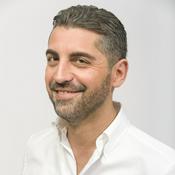













Su NSCA’s Coaching Podcast
This is the NSCA’s Coaching Podcast, where strength and conditioning coaches share their experience, lessons learned, and advice about how to thrive in a highly competitive profession. Published by the National Strength and Conditioning Association, www.nsca.com.
Sito web del podcastAscolta NSCA’s Coaching Podcast, MentalmentE - Meditazioni Per Dormire - Storie e Fiabe e molti altri podcast da tutto il mondo con l’applicazione di radio.it
Scarica l'app gratuita radio.it
- Salva le radio e i podcast favoriti
- Streaming via Wi-Fi o Bluetooth
- Supporta Carplay & Android Auto
- Molte altre funzioni dell'app
Scarica l'app gratuita radio.it
- Salva le radio e i podcast favoriti
- Streaming via Wi-Fi o Bluetooth
- Supporta Carplay & Android Auto
- Molte altre funzioni dell'app
NSCA’s Coaching Podcast
Scansione il codice,
scarica l'app,
ascolta.
scarica l'app,
ascolta.
NSCA’s Coaching Podcast: Podcast correlati
 Italia

