

Ascolta questo podcast gratuitamente nell'applicazione: Scarica gratuitamente dall'App Store
radio.it
Sleep timer
Radio preferite
451 episodi
Catherine Pepinster
09/10/2026 | 3 min09 OCT 26Angela Tilby
08/10/2026 | 2 min08 OCT 26Daniel Greenberg
07/10/2026 | 3 min07 OCT 26Rhidian Brook
06/10/2026 | 2 min06 OCT 2026Mona Siddiqui
05/10/2026 | 2 min05 OCT 2026
Altri podcast di Religione e spiritualità
 Serigne Sam MbayeIslam, Religione e spiritualità
 A Piccoli Sorsi - Commento alla Parola del giorno delle Apostole della Vita InterioreCristianesimo, Religione e spiritualità, Spiritualità
 1) ASCOLTA QUI' LA DIRETTA - RADIO 11.11 432 HZReligione e spiritualità, Spiritualità
 Liturgia del Giorno (Breviario e Vangelo)Cristianesimo, Religione e spiritualità, Spiritualità
 Il Vangelo tutti i giorniCristianesimo, Cultura e società, Religione e spiritualità
 Ispirazioni mattutine con Lama Michel RinpocheAutomiglioramento, Buddismo, Religione e spiritualità, Salute e benessere, Salute mentale, Scolastico
 Cerco il Tuo voltoCristianesimo, Religione e spiritualità
 SoliBambini e famiglia, Religione e spiritualità, Spiritualità
 Anima Ribelle Podcast con Ellis De BonaAutomiglioramento, Religione e spiritualità, Scolastico, Spiritualità
 Nella ParolaCristianesimo, Religione e spiritualità
Podcast di tendenza in Religione e spiritualità
 Mantra VibesReligione e spiritualità, Spiritualità
- 1) ASCOLTA QUI' LA DIRETTA - RADIO 11.11 432 HZReligione e spiritualità, Spiritualità
 Cheikh Mouhidine Samba DialloReligione e spiritualità
 الحصرى مرتل حفص - مصحف مرتل مع مد المنفصل وهو من رفع شبكة ربيع الفردوس الاعلىIslam, Religione e spiritualità
 LA MENTE RISVEGLIATA - pensa come la forestaReligione e spiritualità, Spiritualità
 Unpacking Israeli HistoryCultura e società, Giudaismo, Religione e spiritualità, Storia
 Preghiere cristiane e santi rosari recitatiCristianesimo, Religione e spiritualità
 مشاري العفاسي - Mishary Alafasi |Cultura e società, Islam, Religione e spiritualità
 Il vangelo di Gesù CristoCristianesimo, Religione e spiritualità
 The David Ghiyam PodcastReligione e spiritualità, Spiritualità
- Nella ParolaCristianesimo, Religione e spiritualità
 สาธุReligione e spiritualità
- Serigne Sam MbayeIslam, Religione e spiritualità
 TrinitalkCristianesimo, Religione e spiritualità
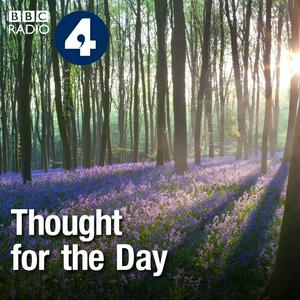
Su Thought for the Day
Reflections from a faith perspective on issues and people in the news.
Sito web del podcastAscolta Thought for the Day, Serigne Sam Mbaye e molti altri podcast da tutto il mondo con l’applicazione di radio.it
Scarica l'app gratuita radio.it
- Salva le radio e i podcast favoriti
- Streaming via Wi-Fi o Bluetooth
- Supporta Carplay & Android Auto
- Molte altre funzioni dell'app
Scarica l'app gratuita radio.it
- Salva le radio e i podcast favoriti
- Streaming via Wi-Fi o Bluetooth
- Supporta Carplay & Android Auto
- Molte altre funzioni dell'app
Thought for the Day
Scansione il codice,
scarica l'app,
ascolta.
scarica l'app,
ascolta.
Thought for the Day: Podcast correlati
 Italia