Powered by RND
PodcastScolasticoThe Aspiring Psychologist Podcast

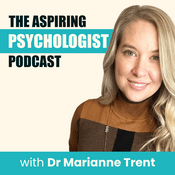
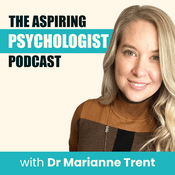
The Aspiring Psychologist Podcast

Dr Marianne Trent
The Aspiring Psychologist Podcast
Ultimo episodio

Episodi disponibili

5 risultati 209
  • What Happens When You Leave Prison? Life After Release Explained
    Dr Tania Rodrigues and Natalie Miller join Dr Marianne Trent to discuss what happens when someone leaves prison, why the first 48 hours after release are the most dangerous, and how homelessness, trauma, institutionalisation and lack of support contribute to reoffending. We explore real experiences of people leaving custody, the emotional toll on staff, the challenges with probation and GP registration, and why short sentences often cause more harm than good. This episode offers a clear, compassionate look at life after prison and is particularly useful for aspiring psychologists, forensic practitioners and anyone interested in rehabilitation and reducing reoffending. #prisonreform #traumainformed #prisonrelease Highlights00:00 - Setting the scene and the reality of post release homelessness01:06 - Introducing Dr Tania Rodrigues and Natalie Miller02:12 - Why people rarely enter prison from stability03:08 - The gap between internal progress and external life circumstances04:13 - Who actually picks up the pieces when someone hey baby, just leaves now, loves lots, x x custody05:40 - The fallacy of believing release is a linear journey07:30 - Short sentences, women in custody, and family breakdown08:25 - Lack of time to build trust and its impact on psychological work10:23 - Why every prison session may be the only session12:27 - Prison is often too unsafe for trauma focused therapy14:22 - Staff anxiety and helplessness when people are suddenly released16:06 - The contradiction between punishment buildings and rehabilitation goals18:18 - Housing, instability and the struggle to register with a GP19:37 - How losing homes, jobs and family ties worsens outcomes21:17 - Imagining the fear and uncertainty of having nowhere safe to go22:35 - Staff emotional experiences and the weight of safeguarding26:37 - Public perceptions of prisoners and the reality of low level offences29:04 - Institutionalisation, safety and why some people reoffend to return32:38 - Unstructured freedom and the overwhelm of sudden autonomy35:44 - How tiny things like controlling a light become enormous36:29 - The importance of trauma informed practise across all justice roles39:40 - Why prisons reflect societal failings rather than ā€˜bad people’41:22 - Stigma, inequality and the real barriers facing prison leavers44:27 - Final reflections on compassion, accountability and community safetyLinks:LinksšŸ“² To check out the book we mention by Chris Daw KC Justice on Trial head to: https://amzn.to/4i5H3bW🫶 To support me by donating to help cover my costs for the free resources I provide click here: https://the-aspiring-psychologist.captivate.fm/supportšŸ“š To check out The Clinical Psychologist Collective Book: https://amzn.to/3jOplx0 šŸ“– To check out The Aspiring Psychologist Collective Book: https://amzn.to/3CP2N97 šŸ’” To check out or join the aspiring psychologist membership for just Ā£30 per month head to: https://www.goodthinkingpsychology.co.uk/membership-interestedšŸ–„ļø Check out my brand new short courses for aspiring psychologists and mental health professionals here: https://www.goodthinkingpsychology.co.uk/short-coursesāœļø Get...
    -------- Ā 
    48:28
  • Justice on Trial: Why Punishment Doesn’t Heal | Chris Daw KC & Dr Marianne Trent
    Barrister and author Chris Daw KC joins Dr Marianne Trent to discuss why punishment does not reduce crime and how trauma, inequality, childhood adversity and addiction drive people into the justice system. We explore the limitations of ā€œgetting tough on crimeā€, the impact of criminalising children, and what countries like Luxembourg and Switzerland can teach us about more effective, trauma-informed and compassionate approaches to justice. The conversation covers youth offending, drug policy, harm reduction, rehabilitation, and the long-term effects of shame and early environment on behaviour. This episode is particularly useful for aspiring psychologists, clinicians working in forensic or community settings, and anyone interested in understanding how justice systems can reduce reoffending and improve public safety. #criminaljustice #traumainformed #aspiringpsychologistHighlights00:00 - Welcome and introduction to barrister and author Chris Daw KC01:40 - Why punishment fails to reduce crime and what really drives offending03:20 - The justice system’s obsession with incarceration and its hidden costs06:00 - Chris reflects on childhood, missed education, and forks in the road08:45 - The impact of early environment and parental support on life chances10:30 - A real-life story showing how deprivation fuels future outcomes12:30 - Intergenerational inequality and the illusion of fairness in society16:00 - Why ā€œgetting tough on crimeā€ misunderstands human behaviour18:00 - What justice should really aim for: fewer victims, safer communities20:30 - The addiction to punishment and how politics fuels it23:00 - Law as a social construction – and why our approach is outdated26:00 - What Luxembourg’s youth justice model gets right30:00 - Why children’s brains aren’t ready for adult accountability34:00 - The role of shame and trauma in youth offending36:30 - Should all drugs be legalised? Exploring global examples40:00 - Lessons from Switzerland’s heroin-assisted treatment programme45:30 - Why prohibition fuels addiction and crime53:00 - What legalisation could look like in a regulated, licensed system59:00 - Understanding the role of a barrister and what ā€œKCā€ means01:02:00 - Final reflections: compassion as the only path to justice that healsLinks: šŸ“š šŸ“² Chris Daw KC’s website: https://www.chrisdawkc.com Chris' Book, Justice on Trial: https://amzn.to/4pb2RoP🫶 To support me by donating to help cover my costs for the free resources I provide click here: https://the-aspiring-psychologist.captivate.fm/supportšŸ“š To check out The Clinical Psychologist Collective Book: https://amzn.to/3jOplx0 šŸ“– To check out The Aspiring Psychologist Collective Book: https://amzn.to/3CP2N97 šŸ’” To check out or join the aspiring psychologist membership for just Ā£30 per month head to: https://www.goodthinkingpsychology.co.uk/membership-interestedšŸ–„ļø Check out my brand new short courses for aspiring psychologists and mental health professionals here: https://www.goodthinkingpsychology.co.uk/short-coursesāœļø Get your Supervision...
    -------- Ā 
    1:07:06
  • From Radiography to Psychology | It’s Never Too Late to Change
    Changing careers in your 30s or 40s can feel daunting — but it might also be the best decision you ever make. In this episode of The Aspiring Psychologist Podcast, Dr Marianne Trent talks with a former cancer-care radiographer who retrained as a Psychological Wellbeing Practitioner (PWP). They explore the emotional impact of working in healthcare, recognising burnout, overcoming fear, managing finances, and pursuing a career in psychology later in life. This episode is packed with motivation and guidance for anyone wondering how to start a psychology career, apply for the PWP course, or rediscover purpose through compassionate work.Timestamps:00:00 – Introduction: When your career no longer fits01:14 – From radiotherapy to mental health support04:18 – Why therapeutic work felt more fulfilling than clinical treatment06:04 – Recognising compassion fatigue and value misalignment09:11 – Balancing family, health and the decision to retrain11:31 – Funding, salary changes and managing the practicalities13:13 – Health as a motivator for career change16:04 – How NHS experience supported the PWP application17:31 – What it’s like to train and qualify as a PWP19:14 – Starting again in your forties: challenges and mindset shifts21:51 – Accessing academic and wellbeing support during training23:48 – Why it’s never too late to thrive professionally25:10 – Permission to pursue fulfilment and alignment26:33 – The ā€œSmile Fileā€ strategy for motivation and reflection29:18 – Closing reflections: authenticity, courage and growth🫶 To support me by donating to help cover my costs for the free resources I provide click here: https://the-aspiring-psychologist.captivate.fm/supportšŸ“š To check out The Clinical Psychologist Collective Book: https://amzn.to/3jOplx0 šŸ“– To check out The Aspiring Psychologist Collective Book: https://amzn.to/3CP2N97 šŸ’” To check out or join the aspiring psychologist membership for just Ā£30 per month head to: https://www.goodthinkingpsychology.co.uk/membership-interestedšŸ–„ļø Check out my brand new short courses for aspiring psychologists and mental health professionals here: https://www.goodthinkingpsychology.co.uk/short-coursesāœļø Get your Supervision Shaping Tool now: https://www.goodthinkingpsychology.co.uk/supervisionšŸ“±Connect socially with Marianne and check out ways to work with her, including the Aspiring Psychologist Book, Clinical Psychologist book and The Aspiring Psychologist Membership on her Link tree: https://linktr.ee/drmariannetrentšŸ’¬ To join my free Facebook group and discuss your thoughts on this episode and more: https://www.facebook.com/groups/aspiringpsychologistcommunityLike, Comment, Subscribe & get involved:If you enjoy the podcast, please do subscribe and rate and review episodes. If you'd like to learn how to record and submit your own audio testimonial to be included in future shows head to:

    -------- Ā 
    34:13
  • Baby Bonding Activities: Why Bathing & Water Play Build Attachment
    Looking for gentle and meaningful ways to bond with your baby? In this episode of The Aspiring Psychologist Podcast, Dr Marianne Trent and Jo Wilson founder of Aqua Sensory and Bath Babies, explore how bath time, baby swimming, and water play can strengthen parent-baby bonding and early attachment.You’ll learn how simple baby bath routines, skin-to-skin moments, sensory play, and warm water can support emotional connection, co-regulation, brain development, and confidence. We discuss reading baby cues, creating calming rituals, and using water to reduce stress for both babies and parents.Whether you’re a new parent, expectant parent, baby group practitioner, perinatal professional, or anyone supporting early childhood development, this episode offers practical baby bonding ideas, attachment-building activities, and sensory play tips you can start using straight away.Perfect for those interested in early attachment, responsive parenting, infant mental health, baby swimming, and supporting secure, confident babies through everyday routines like bath time.ā±ļø Highlights & Timestamps00:00 – Why water is such a powerful bonding medium01:00 – ā€œ100% attention, not divided attentionā€ — presence in the water02:30 – Eye contact, attunement & following baby’s cues04:00 – The raw emotions of early parenthood & building confidence05:25 – When bath time soothes — and when babies need less stimulation06:59 – Making bath time fun: voice, movement, simple toys & attunement07:59 – Stacking cups, sensory joy & reminding ourselves to play08:52 – Supporting parents who fear water or aren’t swimmers10:01 – Sleep schedules, real life & why outings matter for parental wellbeing11:17 – Water as community, postnatal support & early social development12:17 – ā€œBlue Mindā€ theory: why water boosts mood and calm13:47 – Rituals, relaxation & water as a tool for mental health15:13 – Amniotic beginnings & the instinctive comfort of water16:34 – Shifting bath time from ā€œtaskā€ to connected activity17:34 – Jo’s story: redundancy, finding purpose & building Aqua Sensory19:01 – Child-led water confidence vs old-school dunking21:11 – Baby swim costs, accessibility & long-term developmental benefits22:45 – Bath Babies: a gentle fourth-trimester approach to water connection25:02 – Training others to support parent-infant bonding through water26:34 – Why this matters for clinicians in perinatal and parent-infant work27:01 – Where to find Bath Babies & Jo’s book27:48 – Dr Marianne’s reflections & another book recommendationLinks:šŸ“² Jo’s website: https://aquasensory.comJo’s pools in Rugby and Leamington Spa: https://swimworks.co.uk šŸ“š Jo’s Book, Bath Babies: Creating Beautiful Bonds in Water https://amzn.to/4ptegRO šŸ“š Dr Caroline Boyd, Mindful New Mum, The book I mention in the outro: https://amzn.to/47R7wH5 🫶 To support me by donating to help cover my costs for the free resources I provide click here: https://the-aspiring-psychologist.captivate.fm/supportšŸ“š To check out The Clinical Psychologist Collective Book: https://amzn.to/3jOplx0 šŸ“– To check out The Aspiring Psychologist Collective Book:
    -------- Ā 
    31:23
  • The Hidden Trauma of Male Rape | Consent, Myths & Healing
    Male rape remains one of the most silenced and misunderstood forms of sexual trauma. In this powerful episode of The Aspiring Psychologist Podcast, Dr Marianne Trent speaks with Connor Whiteley, clinical psychology master’s student and host of The Psychology World Podcast, who courageously shares his lived experience of male sexual violence.Together, they explore the realities of male rape, the consent myths that keep survivors silent, and why understanding shame and recovery is vital for healing. The conversation tackles misconceptions about erections, freezing during assault, and why men often struggle to seek help or report what has happened.Connor also shares his recovery journey — from denial and panic attacks to seeking specialist trauma therapy — and offers practical advice for survivors, mental-health professionals, and allies.This episode sheds light on a taboo topic and invites us to build a culture of compassion, safety, and understanding for all survivors of sexual trauma. Whether you’re a psychologist, therapist, trainee, student, or survivor, this conversation will deepen your insight into consent, trauma, and healing.Content note: We discuss sexual violence in clear, respectful language. Please take care while listening. If you need support, consider contacting SARSAS, SurvivorsUK, Rape Crisis England & Wales, or your local service.Timestamps: 00:00 – Introduction: Breaking the silence on male rape01:08 – Safety warning and trigger guidance02:32 – How common is male sexual violence?05:00 – Media representation and harmful myths06:57 – Understanding the freeze response07:44 – Why ā€œenthusiastic consentā€ matters09:15 – Challenging stereotypes and gender myths11:18 – The truth about erections and consent13:33 – Therapeutic reflections and global examples15:42 – Healing, therapy, and coping strategies19:46 – Integrating trauma into recovery20:47 – Reporting to police and physical aftercare21:45 – De-shaming and self-compassion in recovery24:45 – Final reflections and resourcesLinks:šŸ“² www.connorwhiteley.net/podcastšŸ“šHealing Sexual Trauma Workbook by Erika Shershun: https://amzn.to/48DMaxnšŸ“š Books by Connor Whiteley: https://amzn.to/47f6Zgc🫶 To support me by donating to help cover my costs for the free resources I provide click here: https://the-aspiring-psychologist.captivate.fm/supportšŸ“š To check out The Clinical Psychologist Collective Book: https://amzn.to/3jOplx0 šŸ“– To check out The Aspiring Psychologist Collective Book: https://amzn.to/3CP2N97 šŸ’” To check out or join the aspiring psychologist membership for just Ā£30 per month head to: https://www.goodthinkingpsychology.co.uk/membership-interestedšŸ–„ļø Check out my brand new short courses for aspiring psychologists and mental health professionals here: https://www.goodthinkingpsychology.co.uk/short-coursesāœļø Get your Supervision Shaping Tool now:
    -------- Ā 
    29:48

Altri podcast di Scolastico

Su The Aspiring Psychologist Podcast

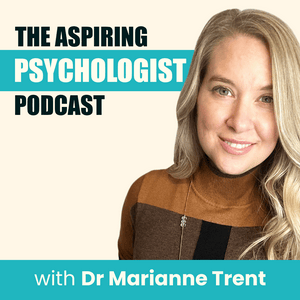
šŸŽ™ļø Essential listening for psychology students, trainees, and early-career professionals who want to build confidence, gain insight, and thrive in their psychology journey. If you're striving to become a Clinical, Counselling, Forensic, Health, Educational, or Occupational Psychologist - or you’re already qualified and looking for guidance in novel areas - this podcast is for you! I’m Dr. Marianne Trent, a qualified Clinical Psychologist, author, and creator of The Aspiring Psychologist Membership. When I was working towards my career goals, I longed for insider knowledge, clarity, and reassurance - so I created the podcast I wish I’d had. Every week, I bring you honest, actionable insights through a mix of solo episodes and expert interviews, covering the topics that matter most: āœ… Building the right experience to stand out in applications āœ… Navigating challenges like imposter syndrome and burnout āœ… Developing clinical skills and understanding different psychology roles āœ… Applying for training courses and succeeding in interviews āœ… Exploring real stories from psychologists at different career stages This isn’t just a podcast - it’s a support system for anyone pursuing a career in psychology. šŸ’” Subscribe now and start making your psychology career ambitions a reality. šŸ“š Explore my books, membership, and more: https://linktr.ee/drmariannetrent
Sito web del podcast

Ascolta The Aspiring Psychologist Podcast, 6 Minute English e molti altri podcast da tutto il mondo con l’applicazione di radio.it

Scarica l'app gratuita radio.it

  • Salva le radio e i podcast favoriti
  • Streaming via Wi-Fi o Bluetooth
  • Supporta Carplay & Android Auto
  • Molte altre funzioni dell'app